

I spent three days at MicroConf US 2026 in Portland this week. What follows is a chronological thread of tweets and photos captured live from the talks and hallway conversations.
AI Workshop for CEOs
The themes from MicroConf — AI rollout, hiring with AI, moats and pricing — are exactly what the workshop is built around. Three hours live with eight CEOs, plus a 1-on-1 to apply it to your business.
Reserve Your Seat →MicroConf US 2026
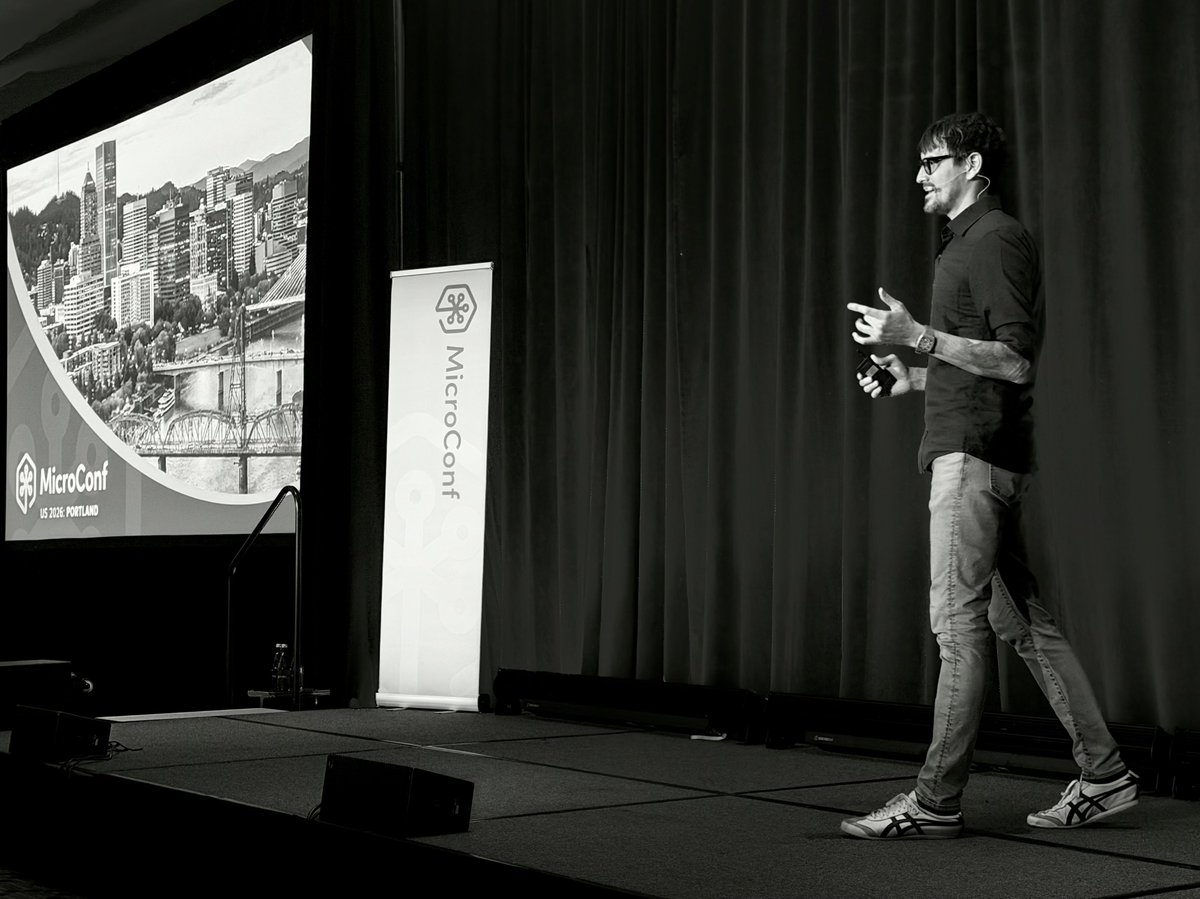
Kicking off MicroConf with Rob Walling.
Jason Cohen

Growth always slows.
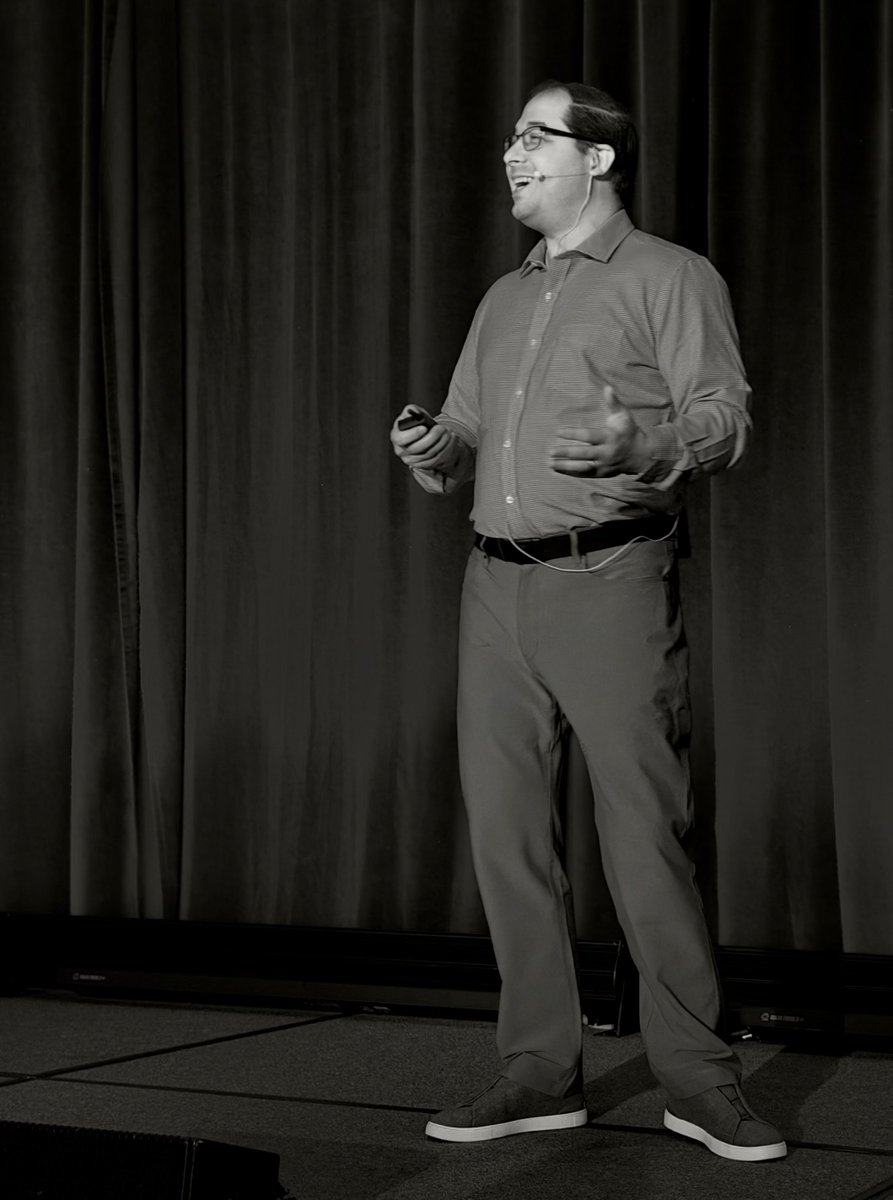
Cancellations are at five percent. You think that sounds good. You're wrong.

Kit pushed down their cancellation rate, and that's why they grew. It raised their maximum MRR.
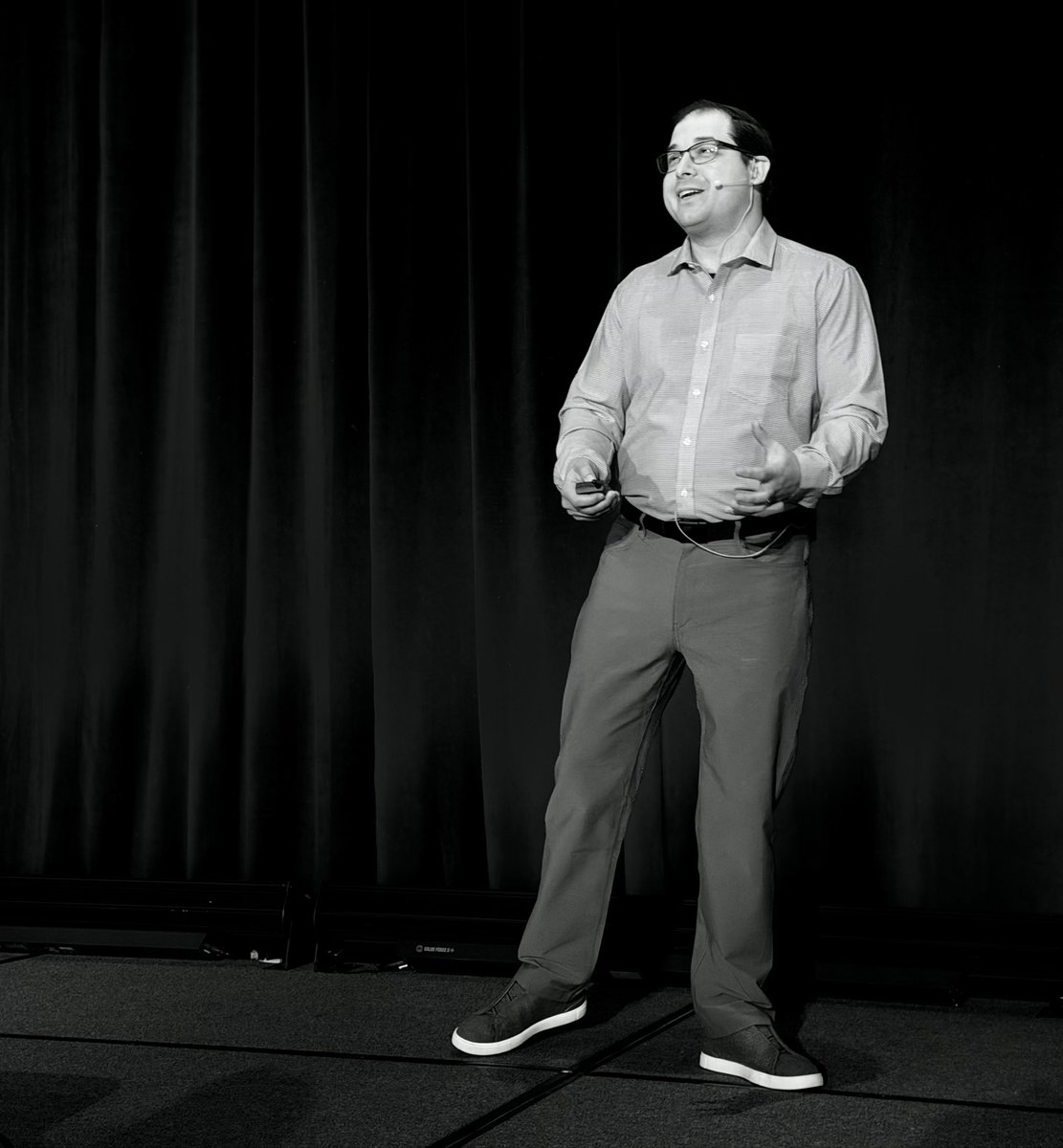
"Too expensive" is a totally bullshit explanation for cancellation. They saw the price and bought it when they signed up. The thing they wanted when they signed up is the thing to fix.
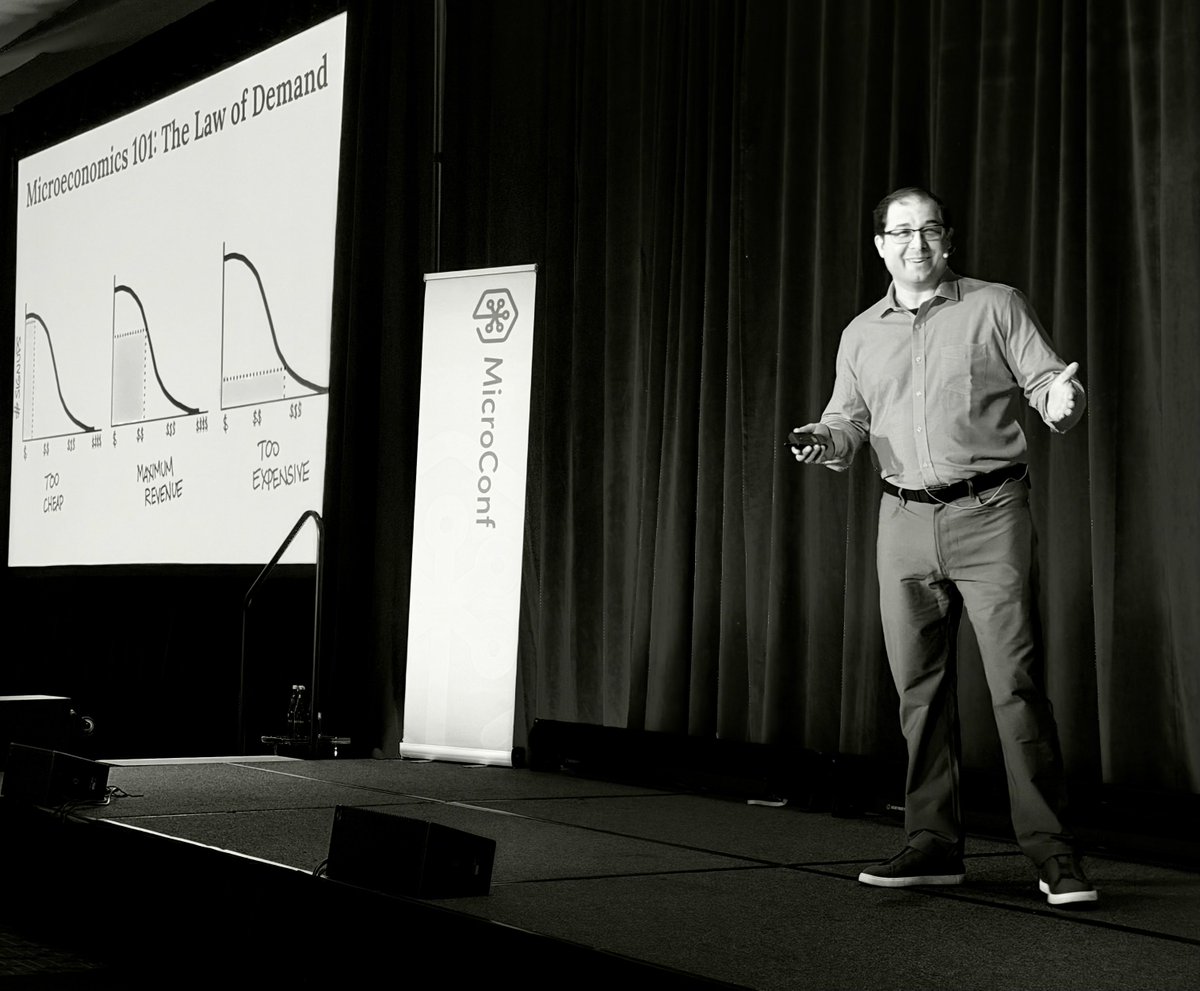
There's no way your prices are optimal. And they're probably too low.
Economics is wrong. Often, when you raise prices, signups increase.
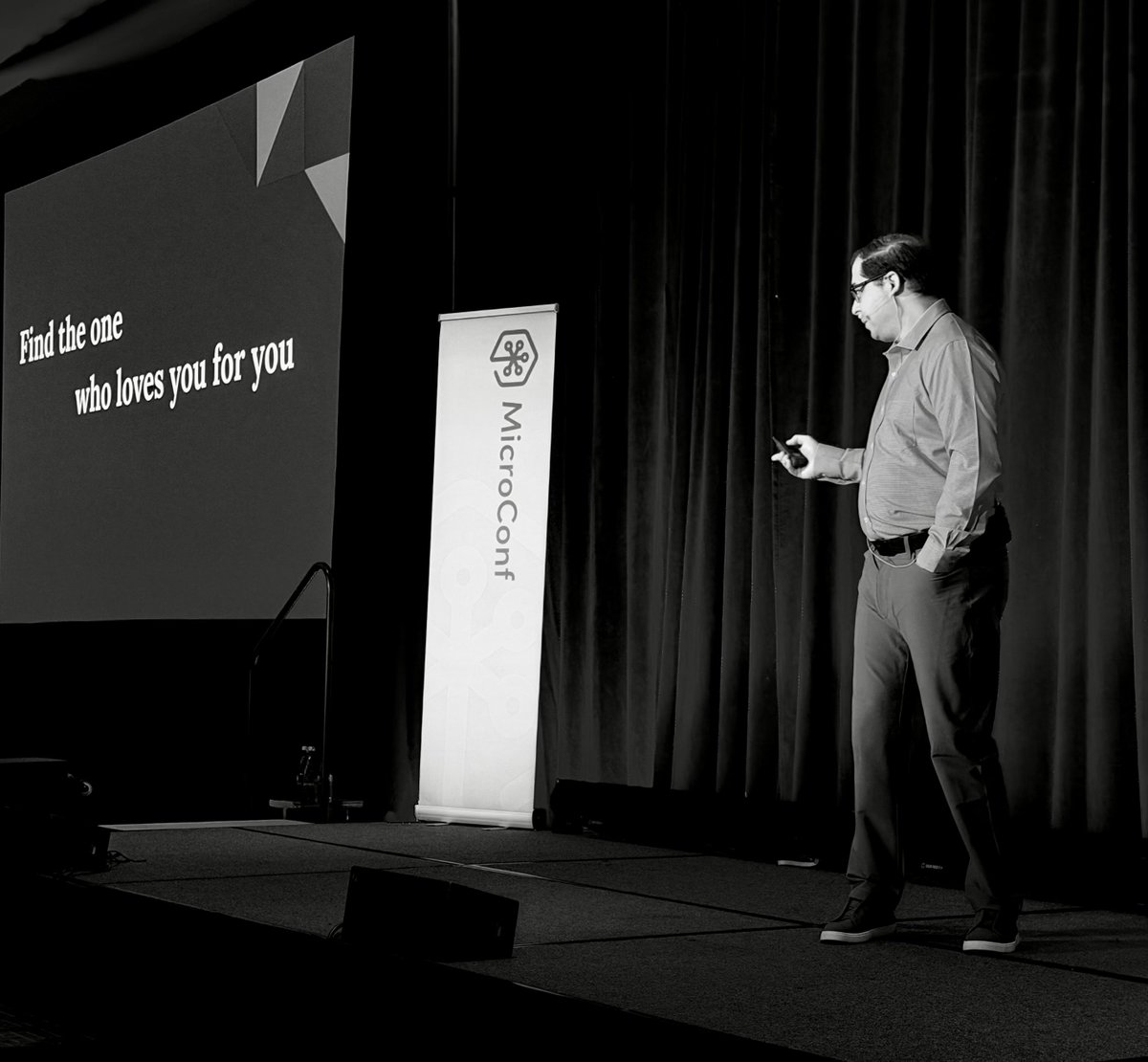
When you change prices, often you're changing your market. And when you raise prices, it's probably a better market.
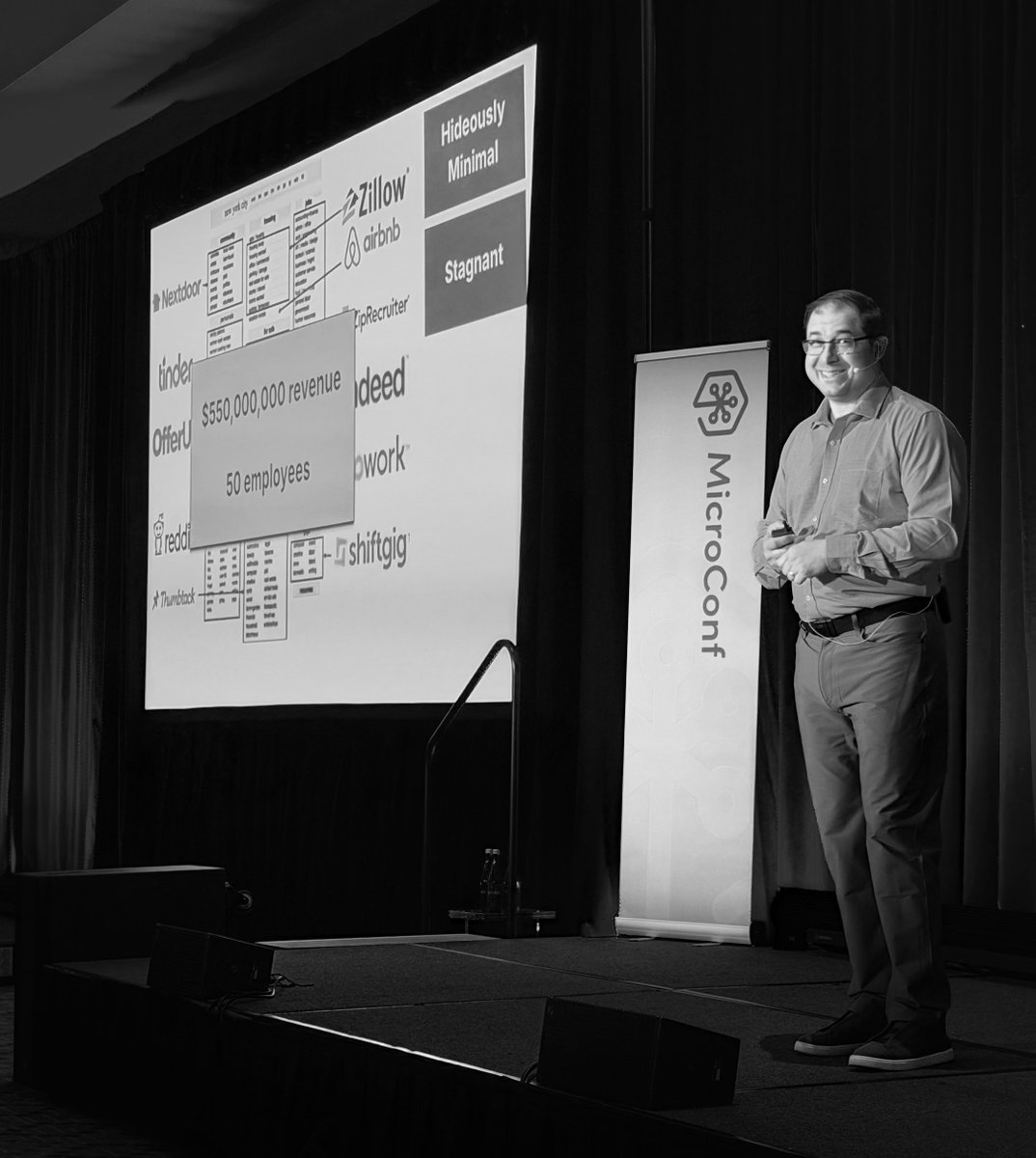
Other competitors are unwilling to take on their weaknesses. Competitors won't copy your weaknesses. And if those weaknesses are strengths, you have a unique strategy.
Jason points to Craigslist's ancient design as an example: it looks ugly, and it hasn't changed in decades. Most CEOs couldn't live with how horrible it looks! But it's an advantage because their users already know how to use it. There's no friction and nothing new to learn.
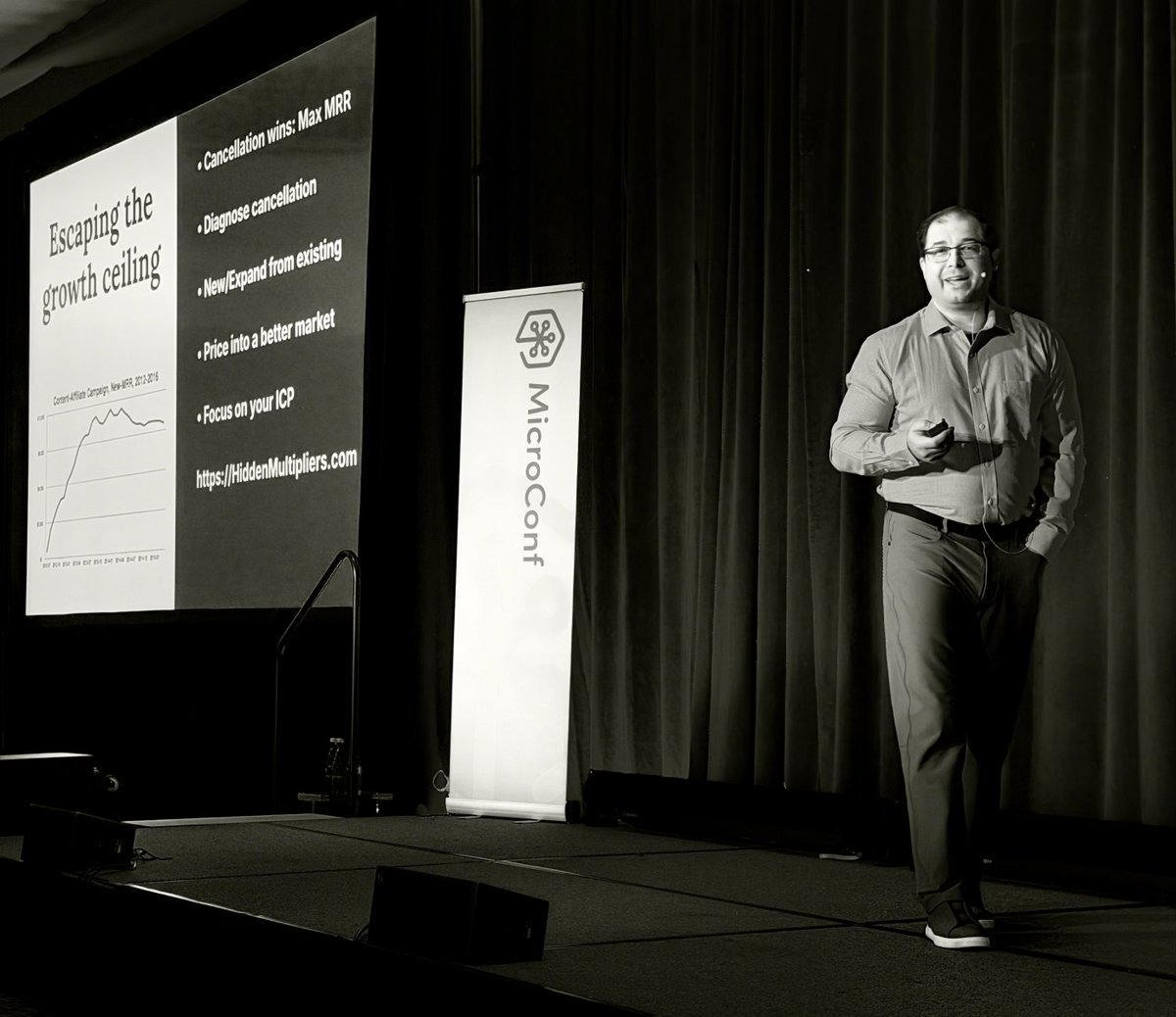
Jason's summary of how to escape the growth ceiling:
- Cancellation wins: raise your Max MRR
- Diagnose cancellation
- New revenue, or expand from existing
- Price into a better market
- Focus on your ICP
Get Jason's book Hidden Multipliers.

Jason Cohen chats with another attendee on the MicroConf waterfall excursion.
Anthony Eden
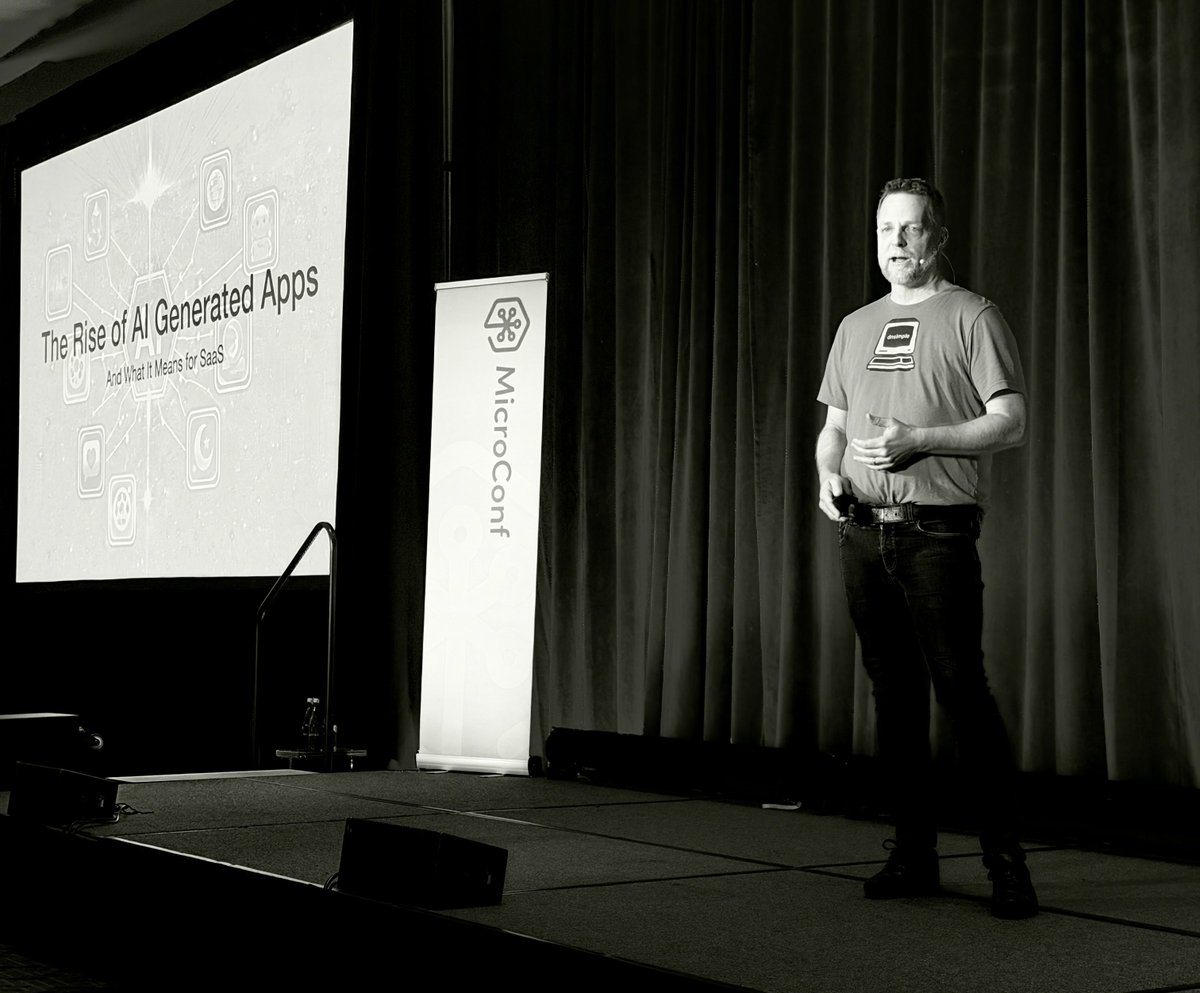
Next up, Anthony Eden of DNSimple explains the implications of generative AI on SaaS businesses.
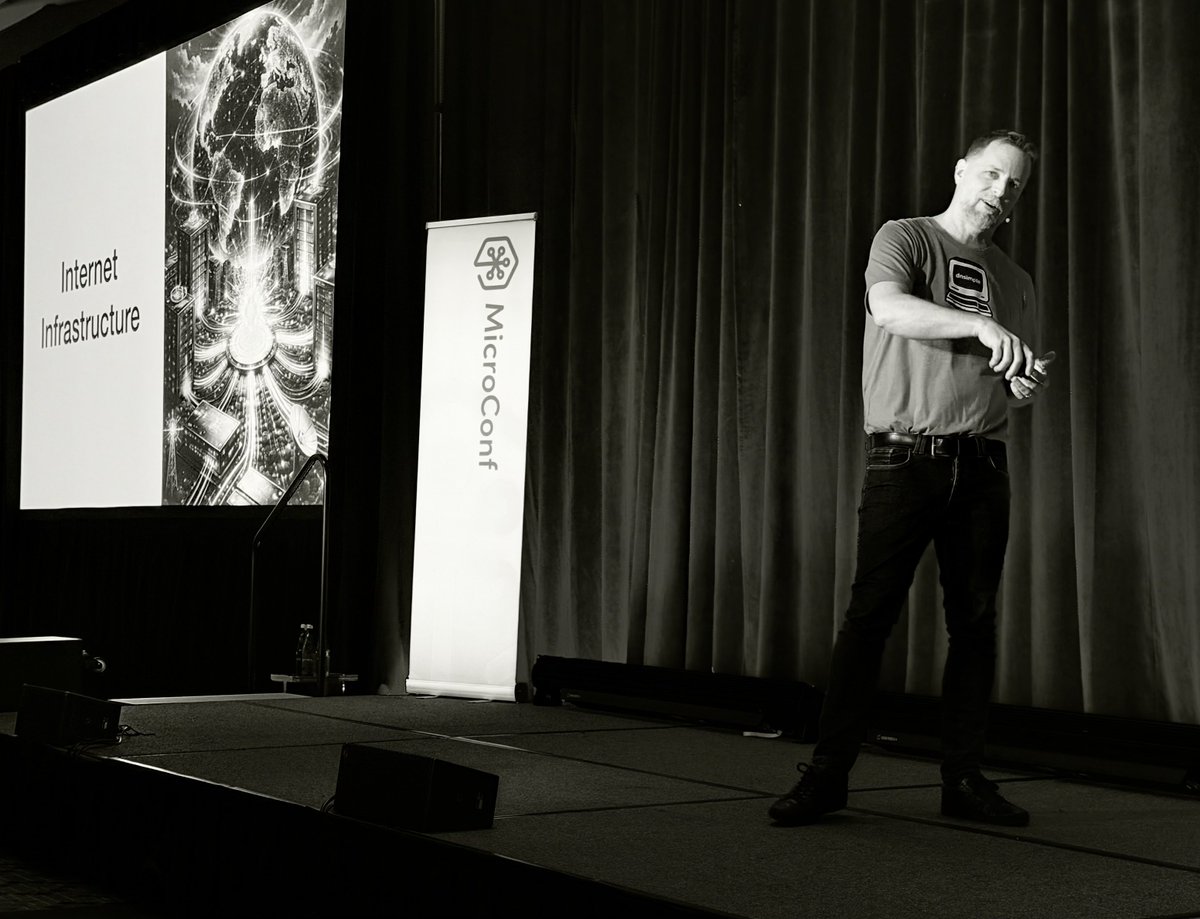
SaaS moats against AI-generated competitors:
- Collaboration. The network effect is still important.
- Regulated environments. Regulation and randomness don't work together well.
- Operational excellence. As more code is produced, inevitably, the quality goes down.
- Internet infrastructure. Capex is still a moat. DNSimple has servers worldwide.
Amanda Natividad
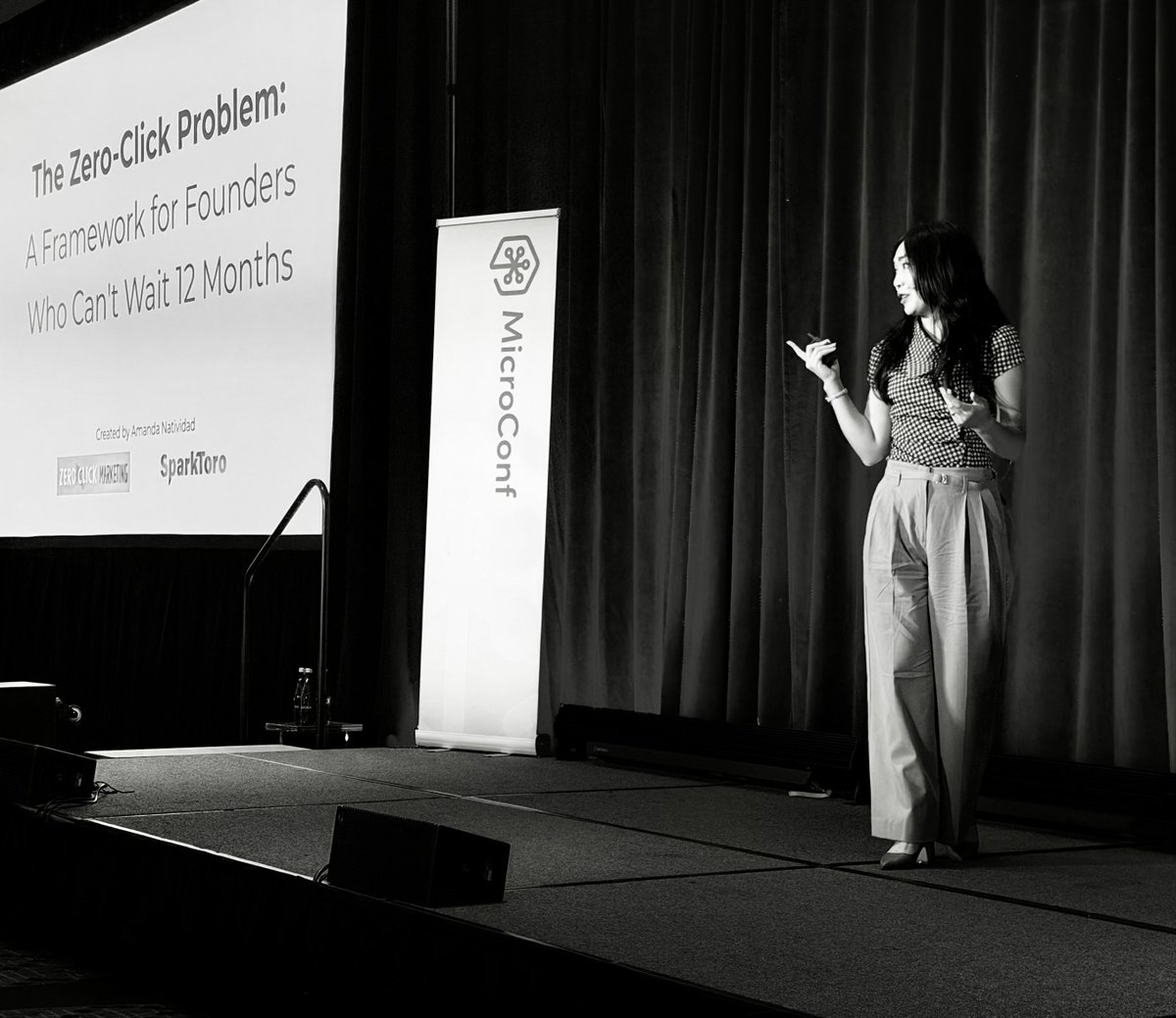
You can't just publish content and hope for the best.
More people see it, but fewer people click.

58.5% of all searches are zero-click searches.
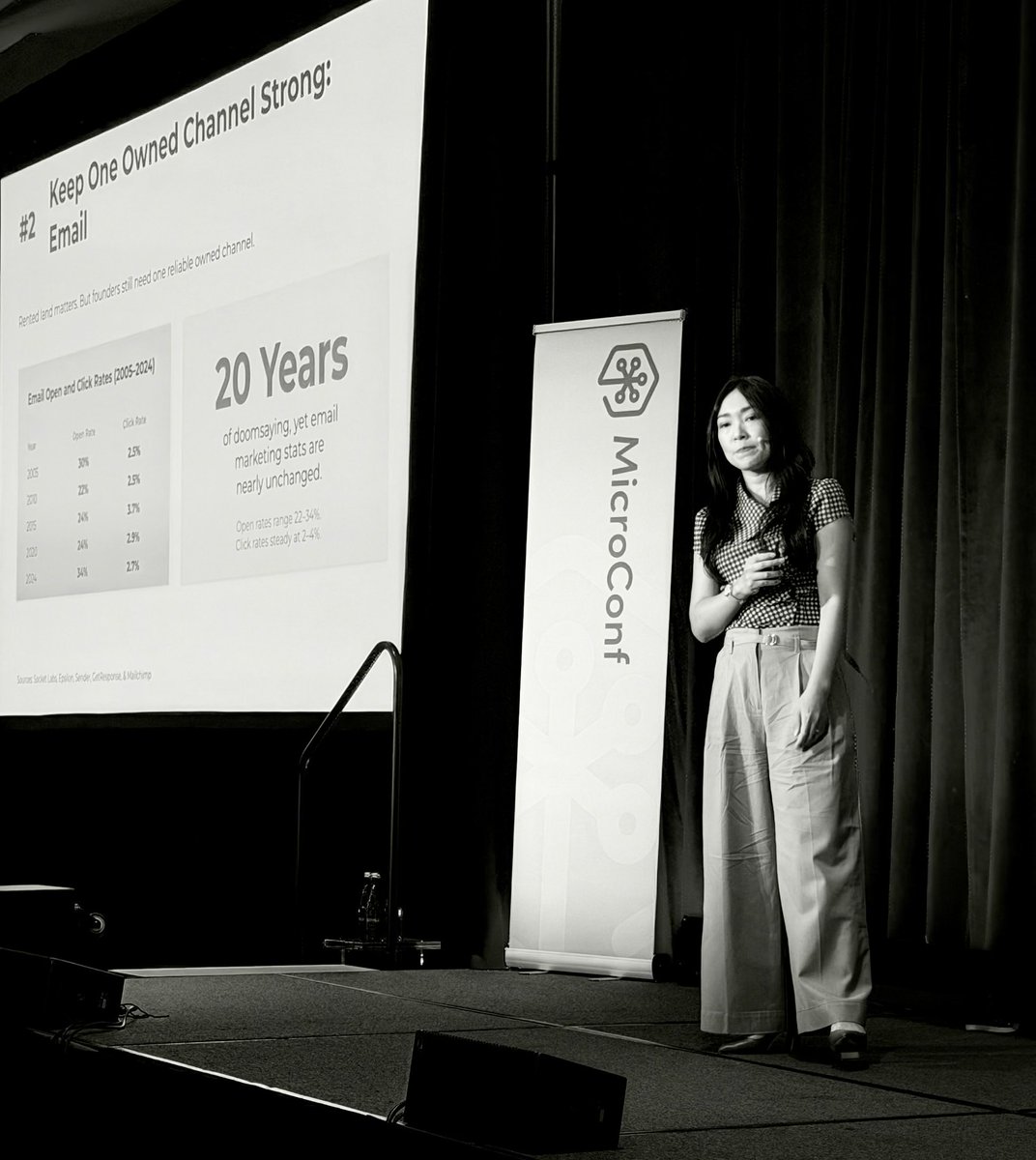
Don't build on rented land. For every one visitor on your website, 100 people see you on a social platform you don't own.
"Rented land matters. But founders still need one reliable owned channel."
Keep one owned channel strong: email.
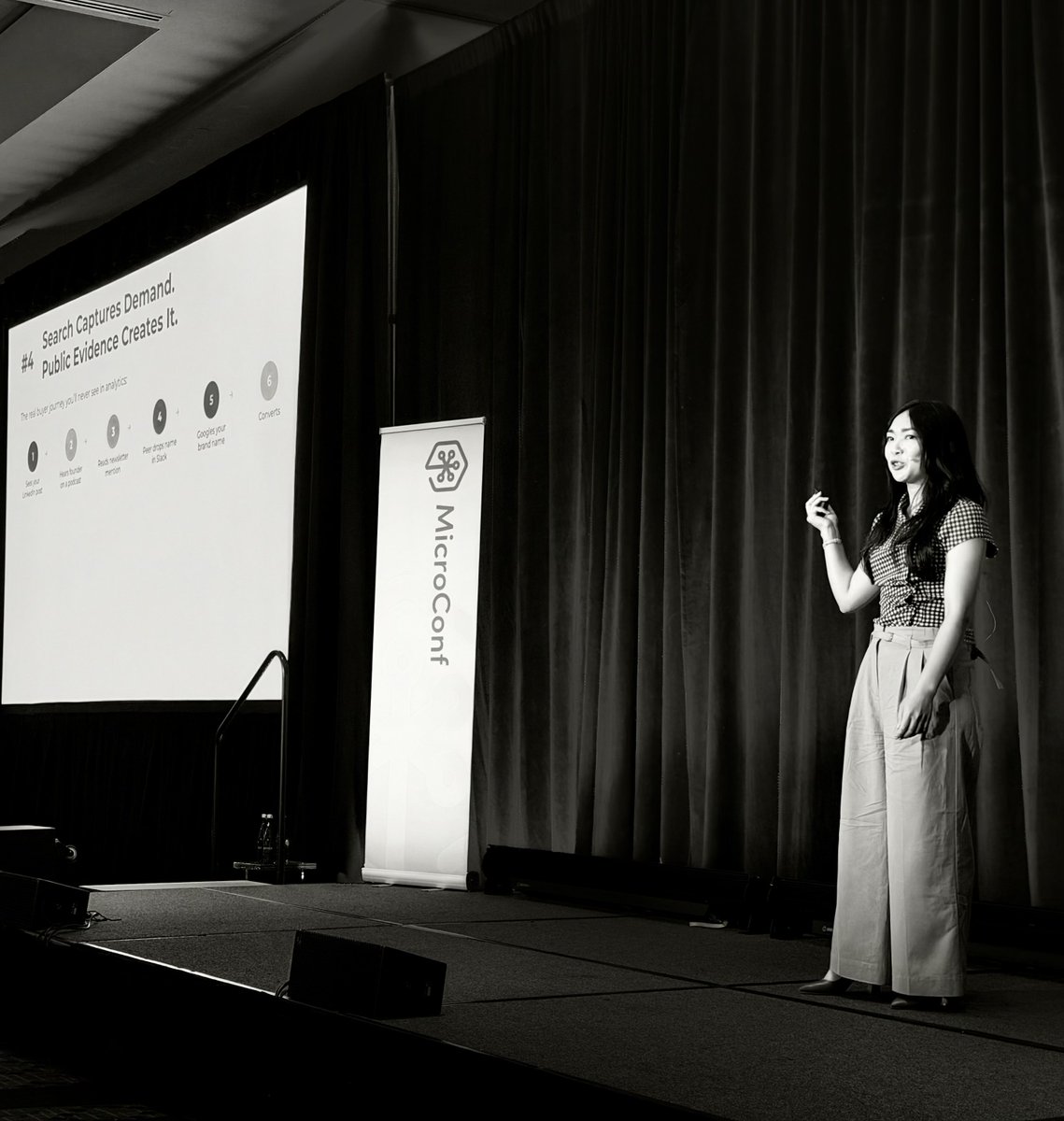
Search captures demand. Public evidence creates it. Your job goes beyond just ranking. It's to influence the public records.
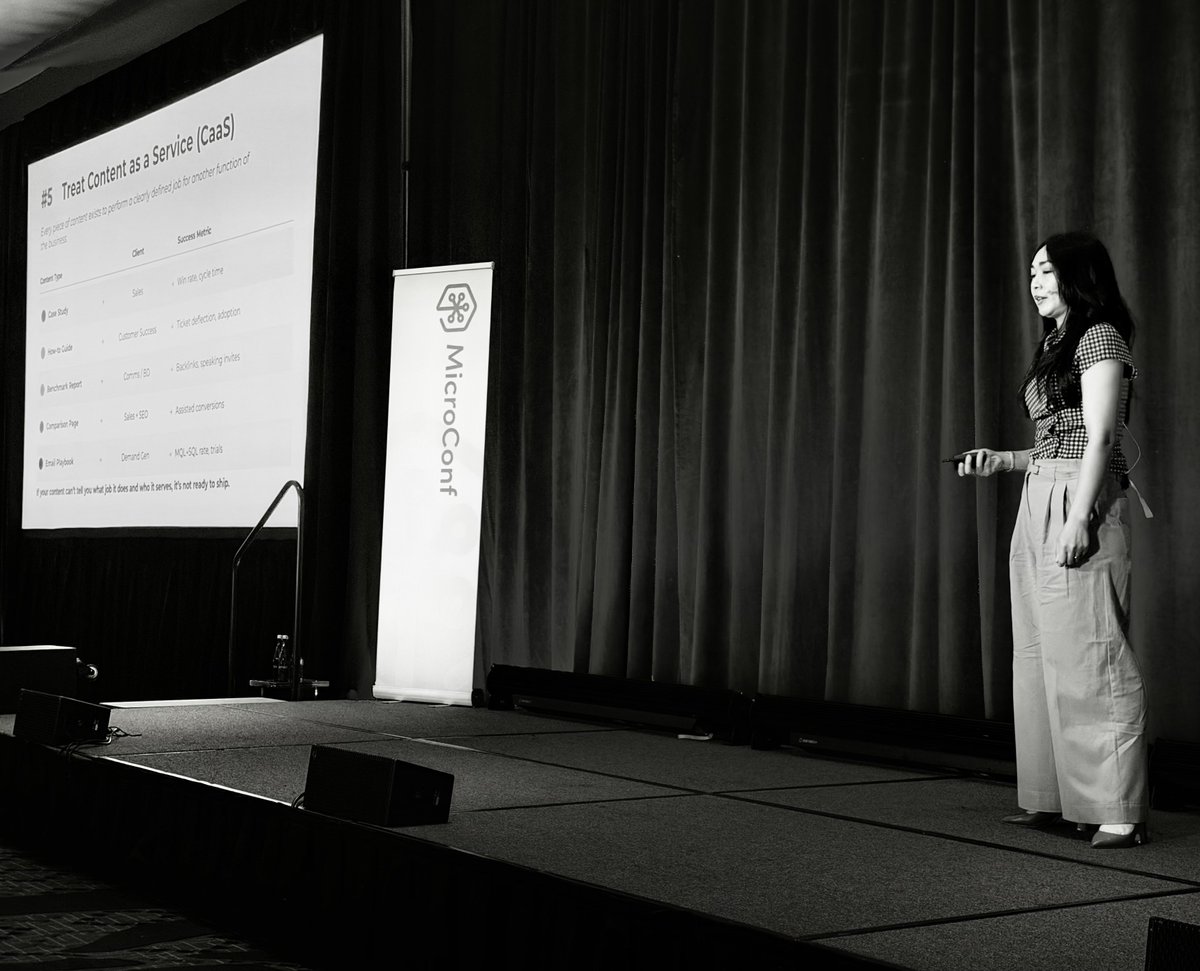
Treat content as a service. (CaaS) Every piece of content has a job to do and a client to serve.
Einar Vollset
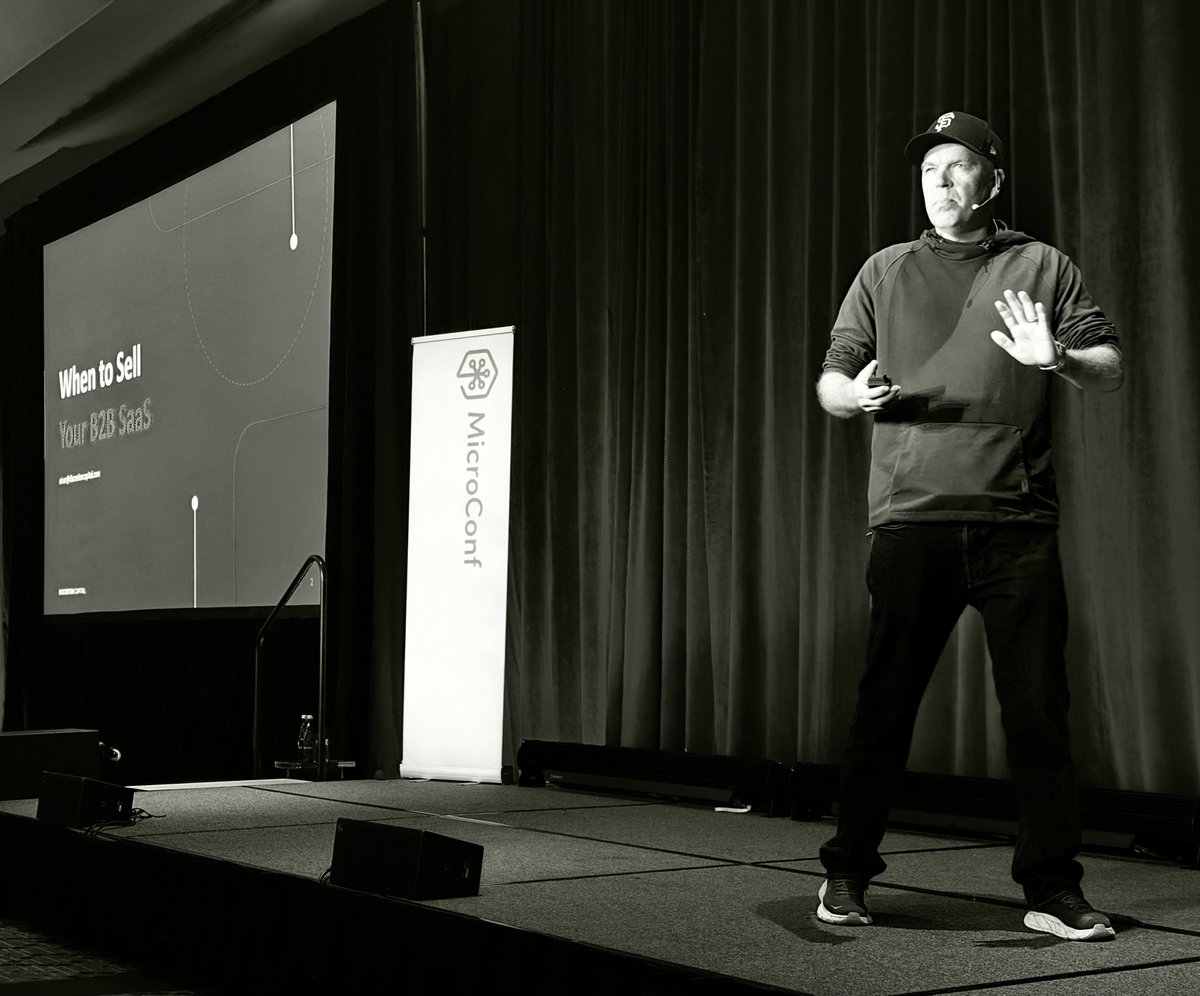
Everybody sells their company.
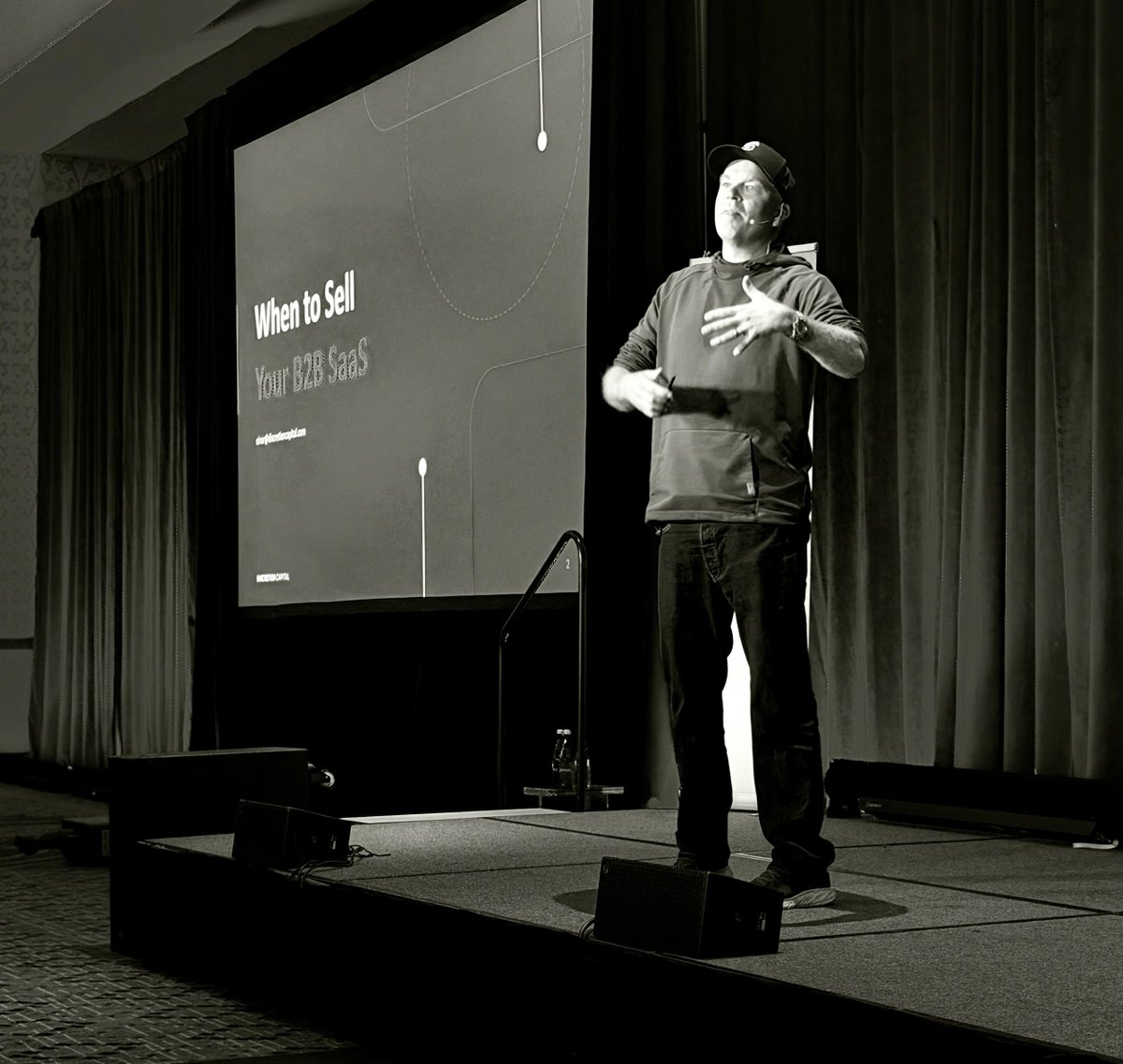
The difference between a great bid to buy your company and a poor one is 5x.
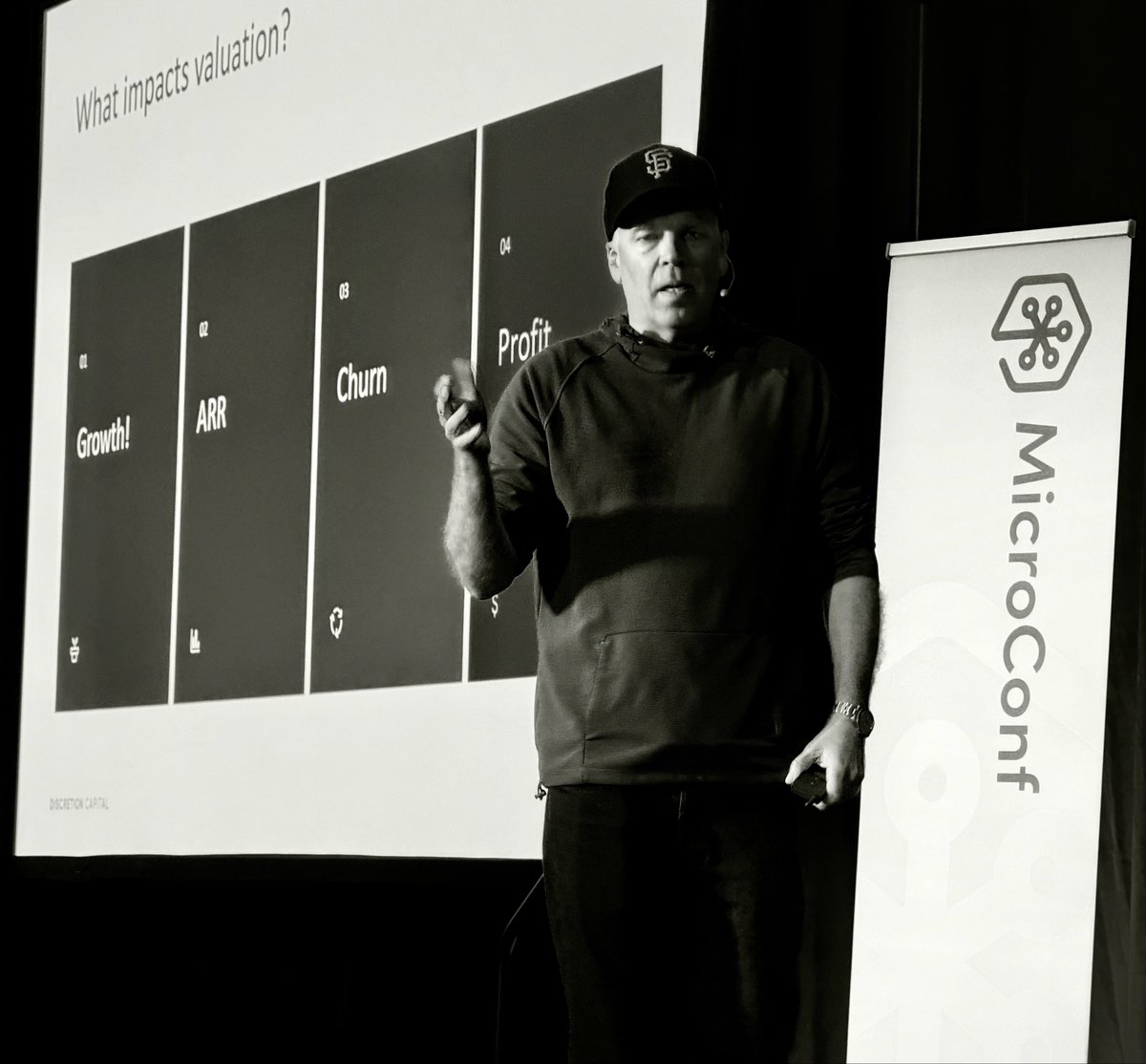
What impacts valuation?
- Growth!
- ARR
- Churn
- Profit
Rob Walling
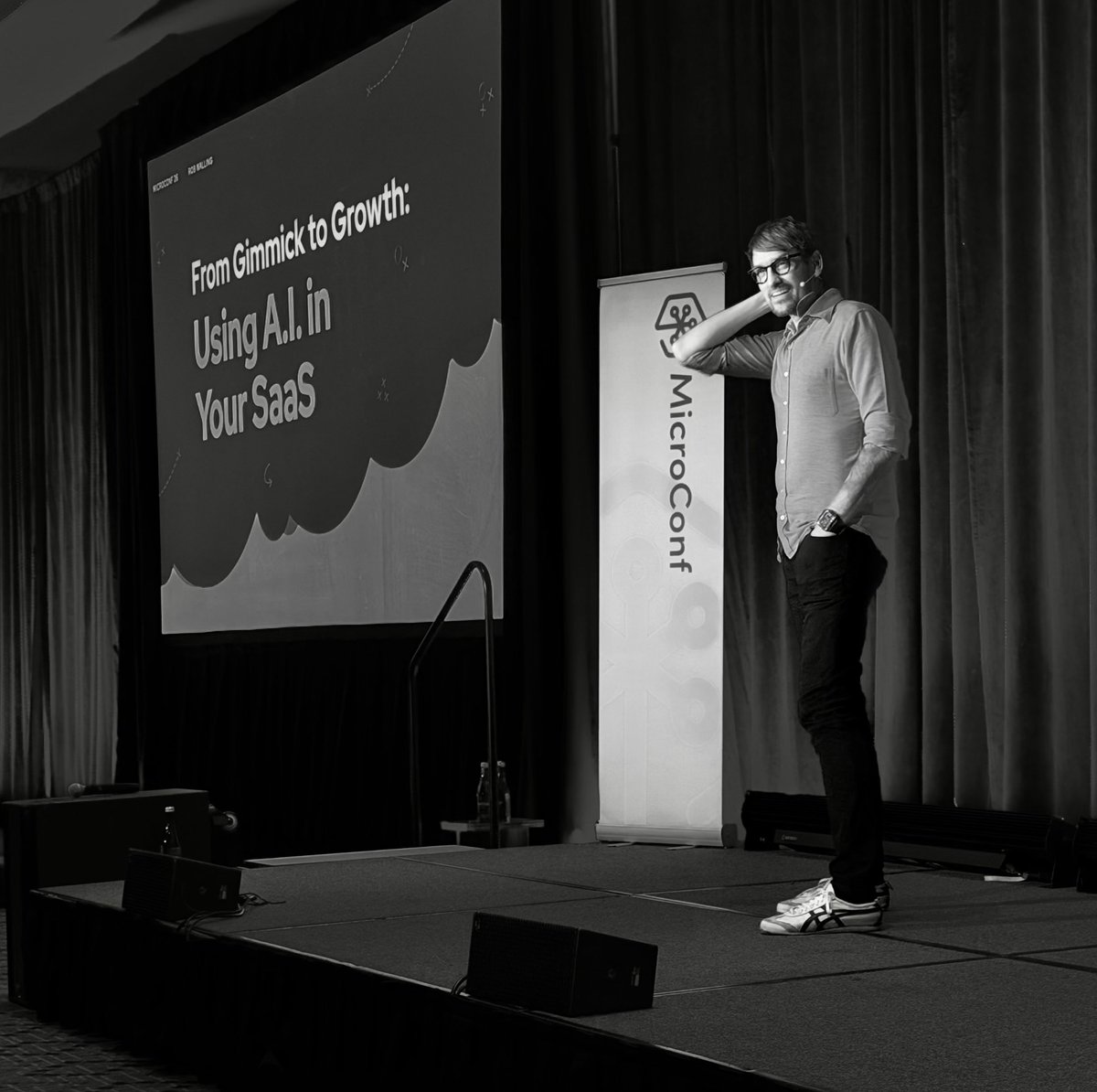
Next up, Rob Walling will share his take on using AI in your SaaS.
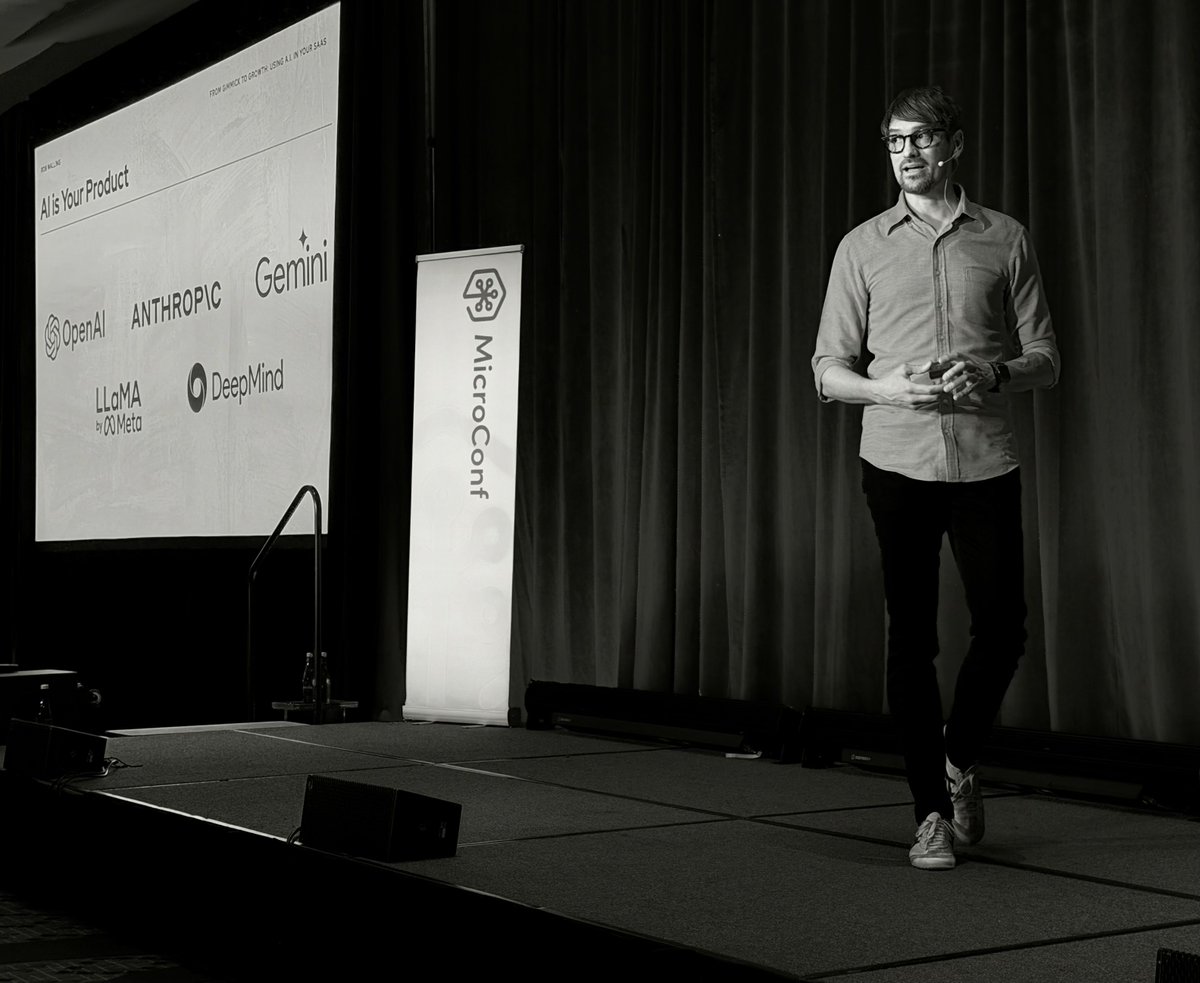
Where to use AI in a SaaS business:
- AI as your product
- AI as a feature
- AI for building
- AI for growth
- AI for operations
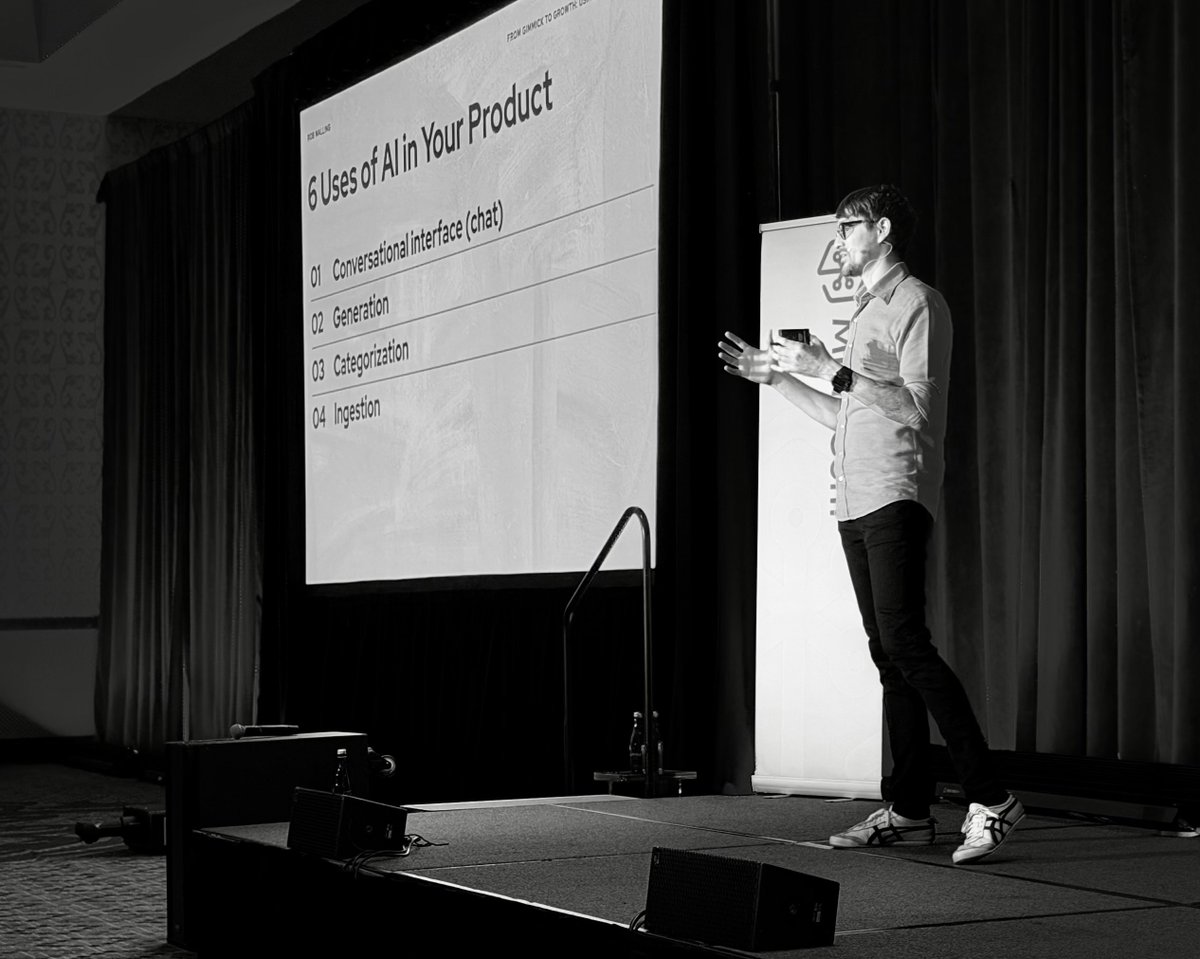
How you can implement AI in your product:
- Conversation interface (chat)
- Generation
- Categorization
- Ingestion
- Analysis
- Agentic interfaces (MCP/CLI)
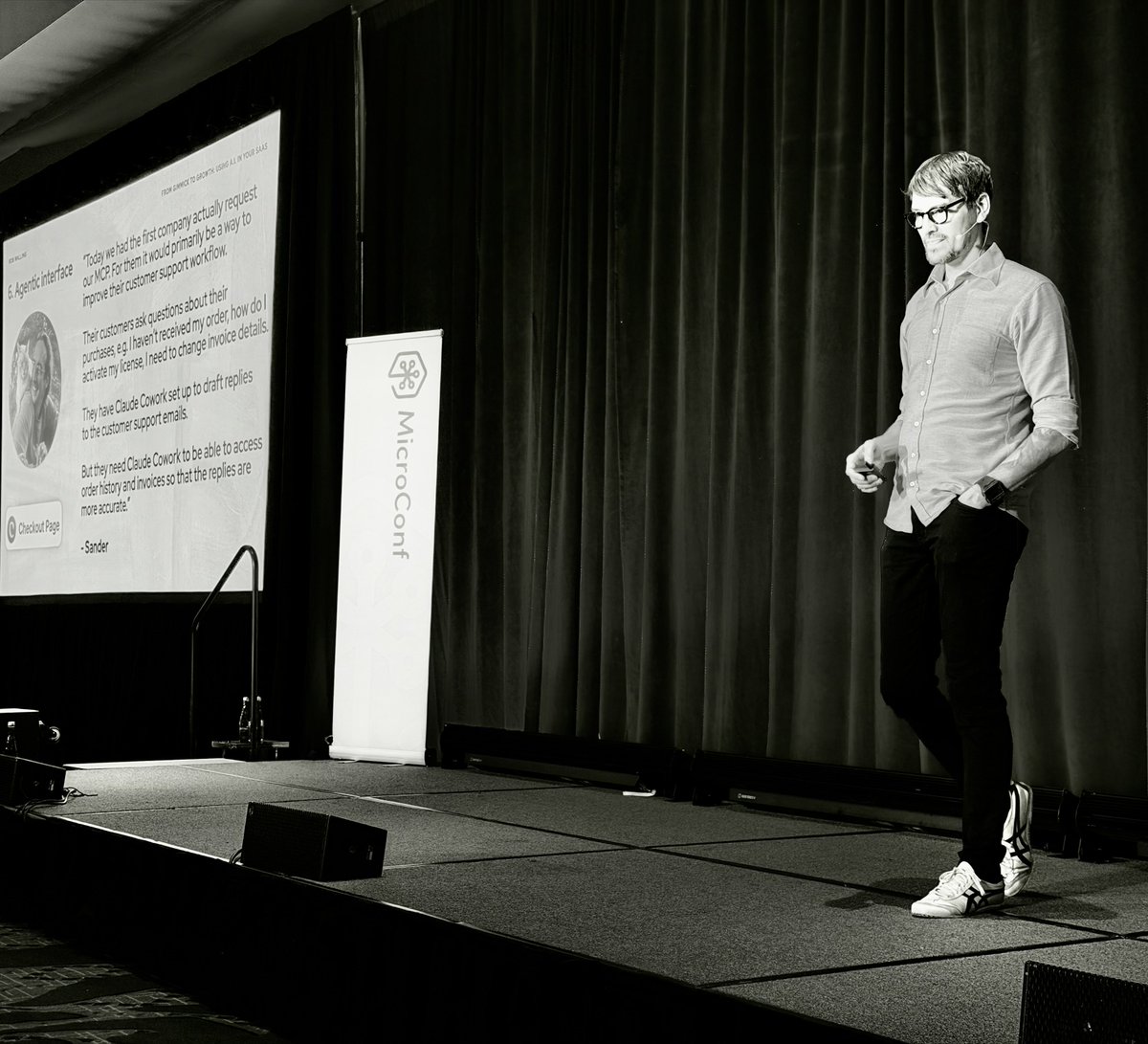
I think enterprises want MCP. — Rob Walling on the AI agentic interface debate vs CLI.
Gia Laudi
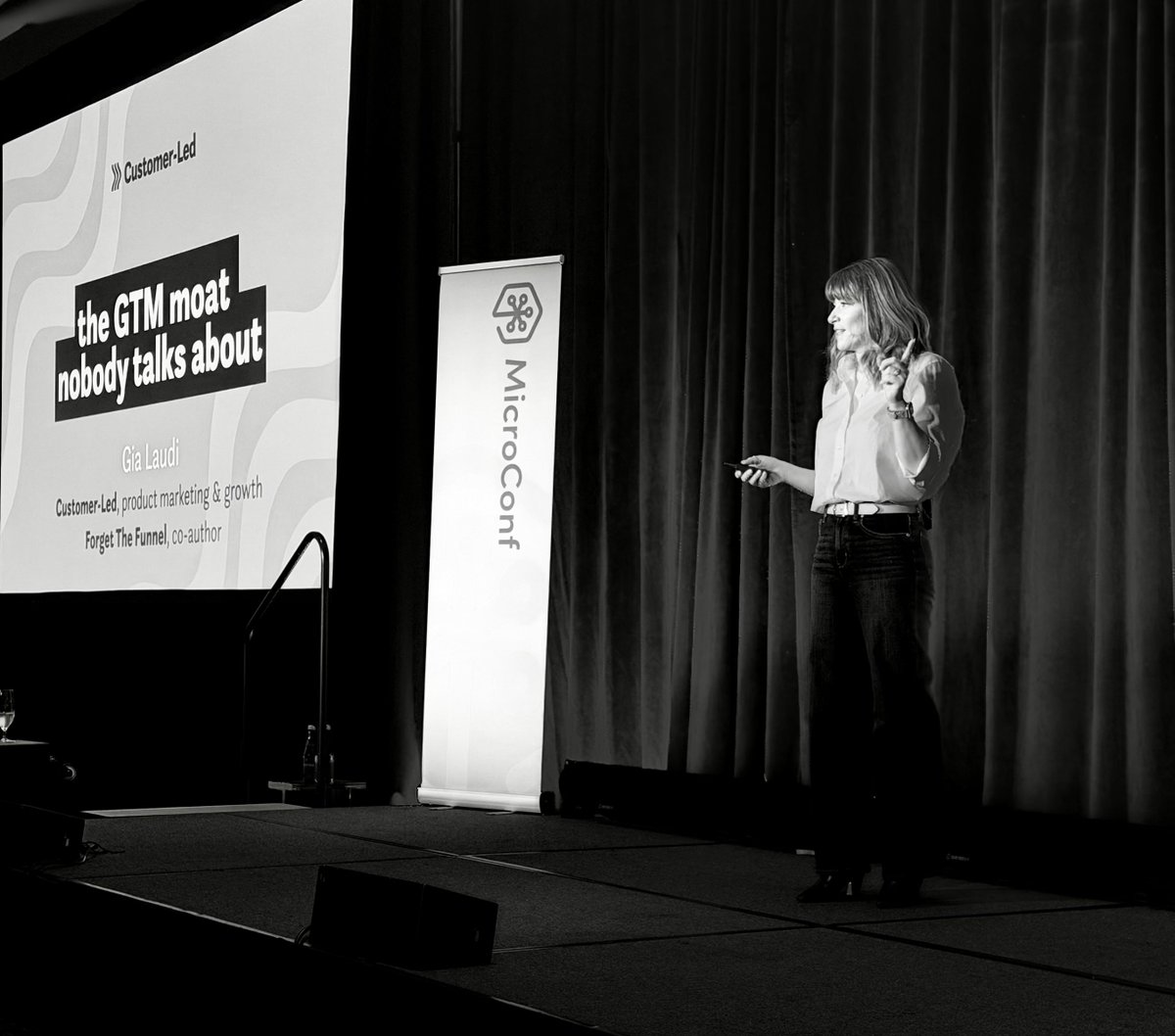
Next up, Gia Laudi will share the GTM moat nobody talks about.
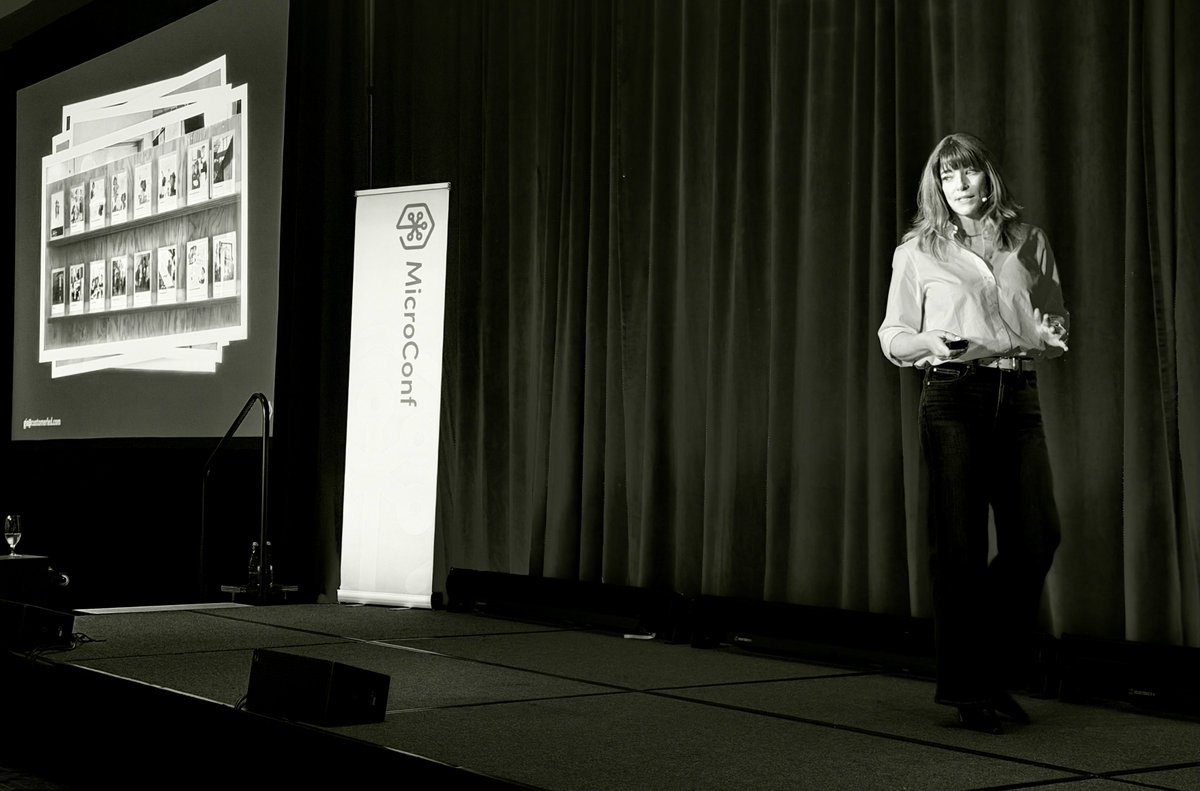
You don't know nearly enough about your customer or the problems you're solving for them.
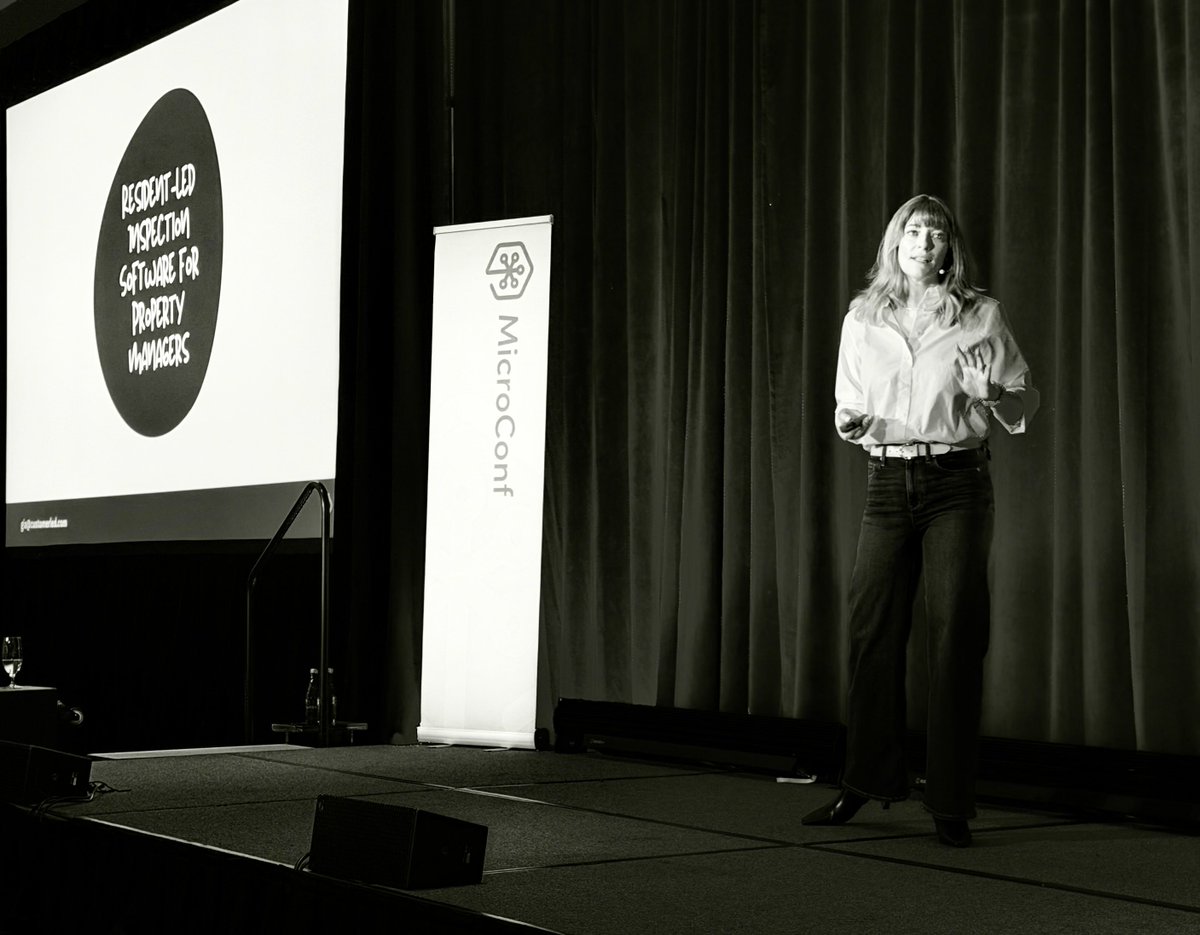
Most products are positioned as nice to haves.
The only products that have a chance of cutting through are pain killers.
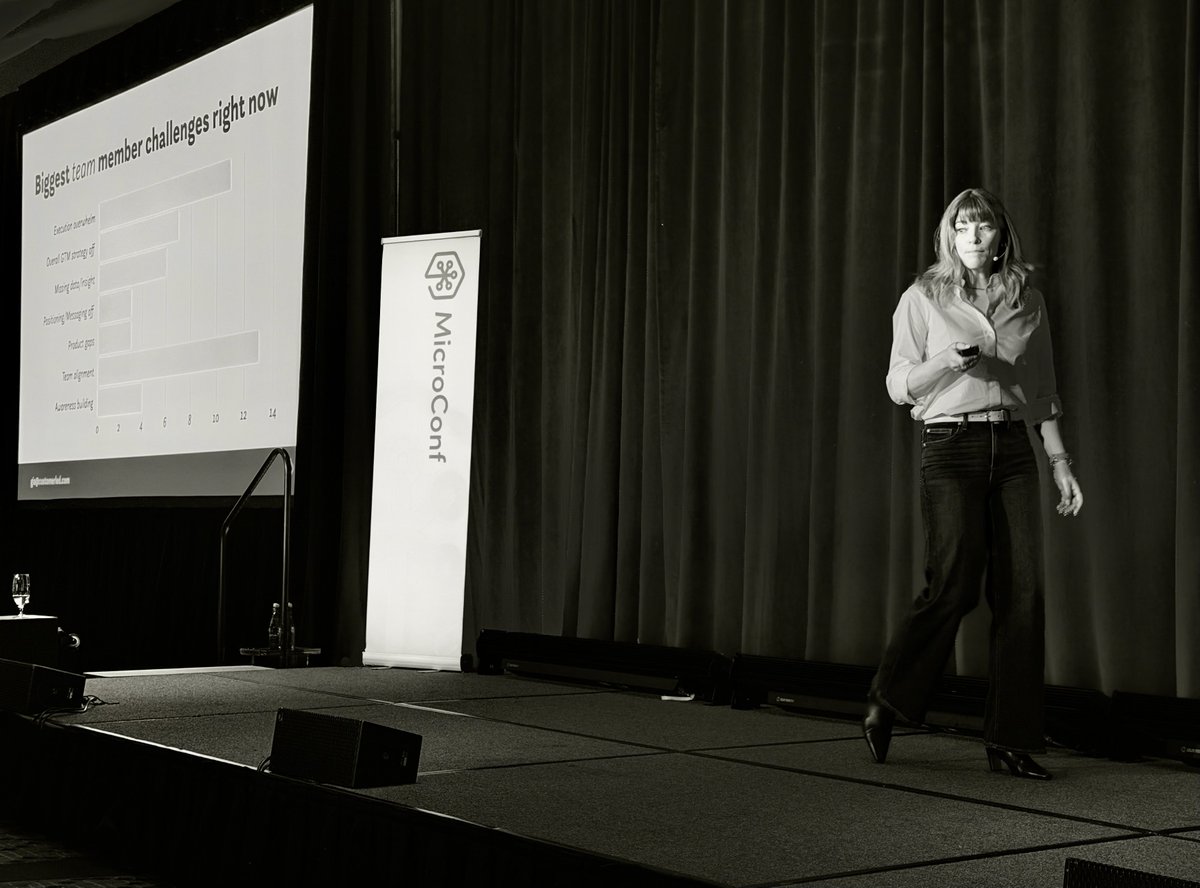
Team member almost always complained about alignment and lack of strategy.
"It feels like no one knows what's going on."
Alex Pham
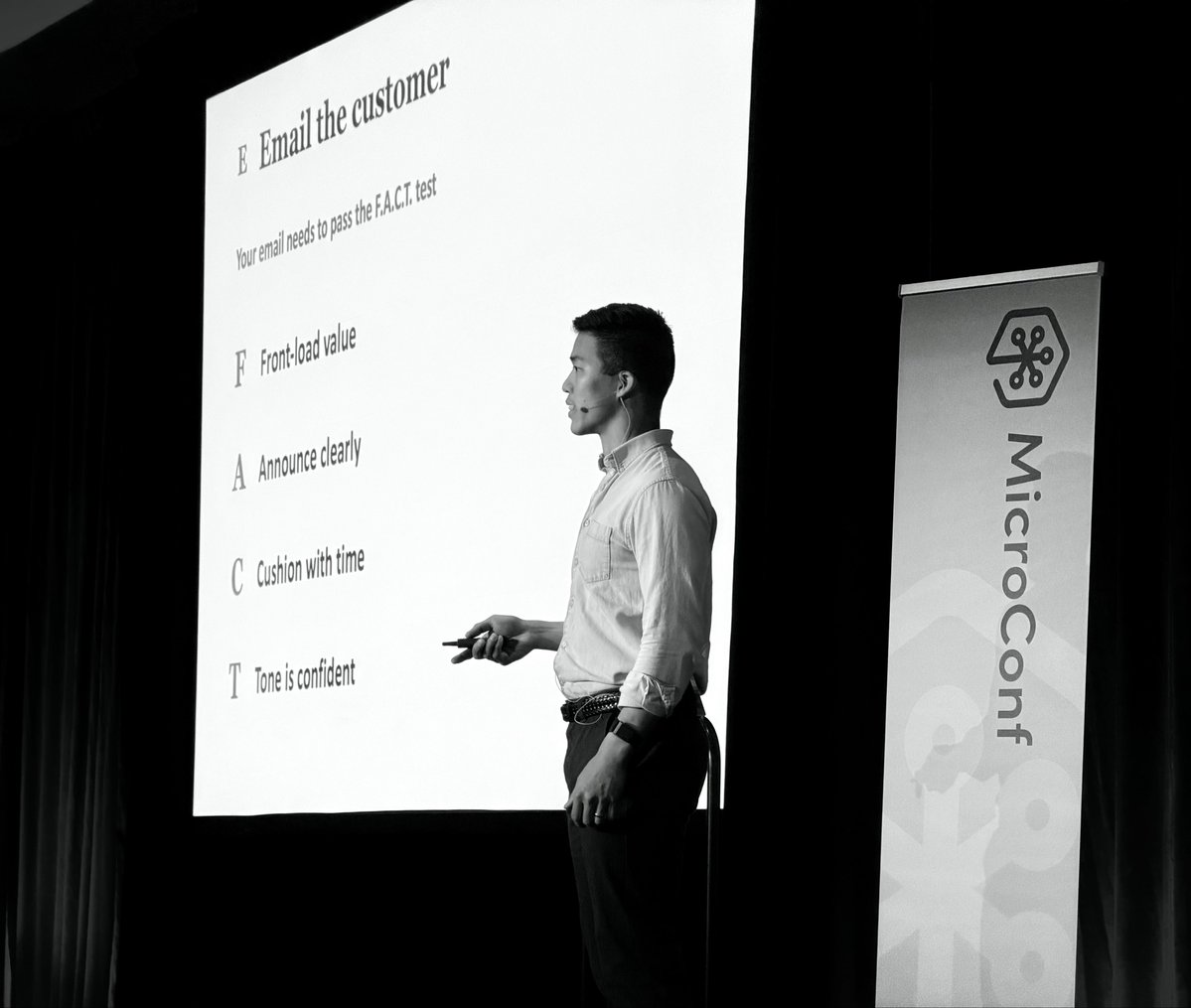
Alex Pham wonders if your customer email announcing a price increase passes the FACT test:
- Front-load value
- Announce clearly
- Cushion with time
- Tone is confident
Craig Hewitt
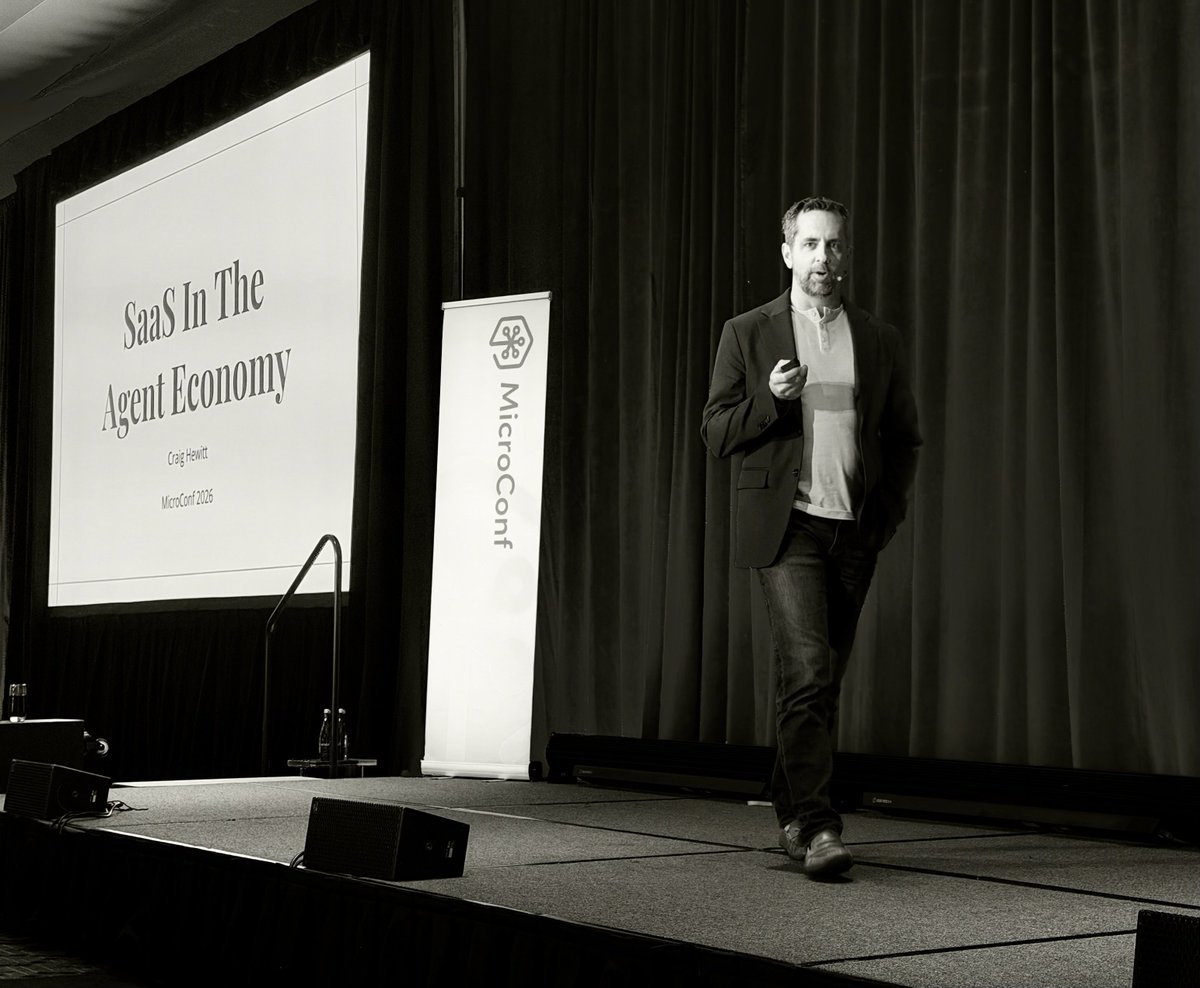
Next up, Craig Hewitt will share why AI will doom SaaS businesses.
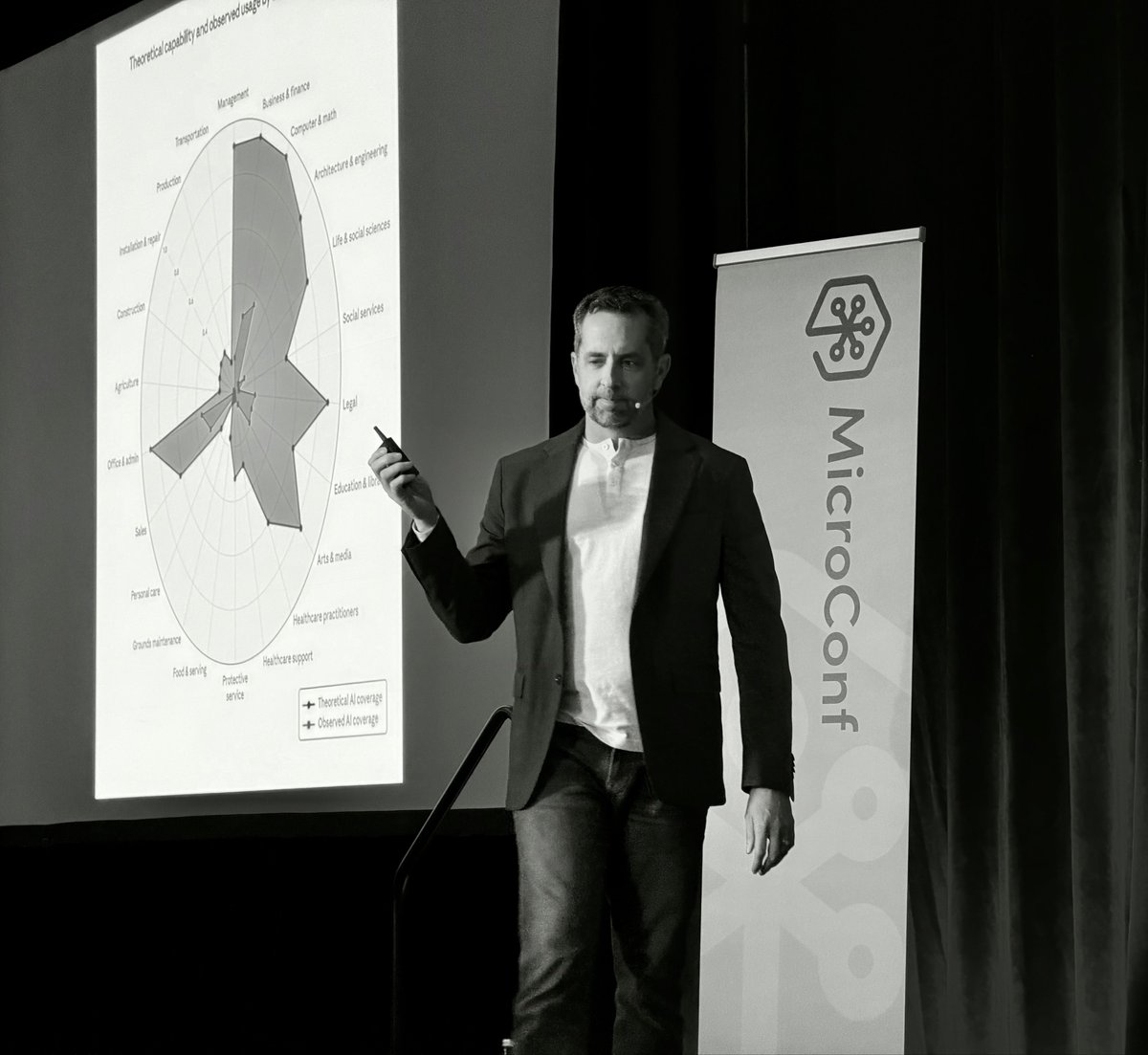
Cool guys don't look at explosions. Craig Hewitt shows us which jobs will be destroyed by AI.
For the counter-argument — that AI is more likely to promote your team than replace it — see AI Won't Replace Your Team — It Will Promote Them.
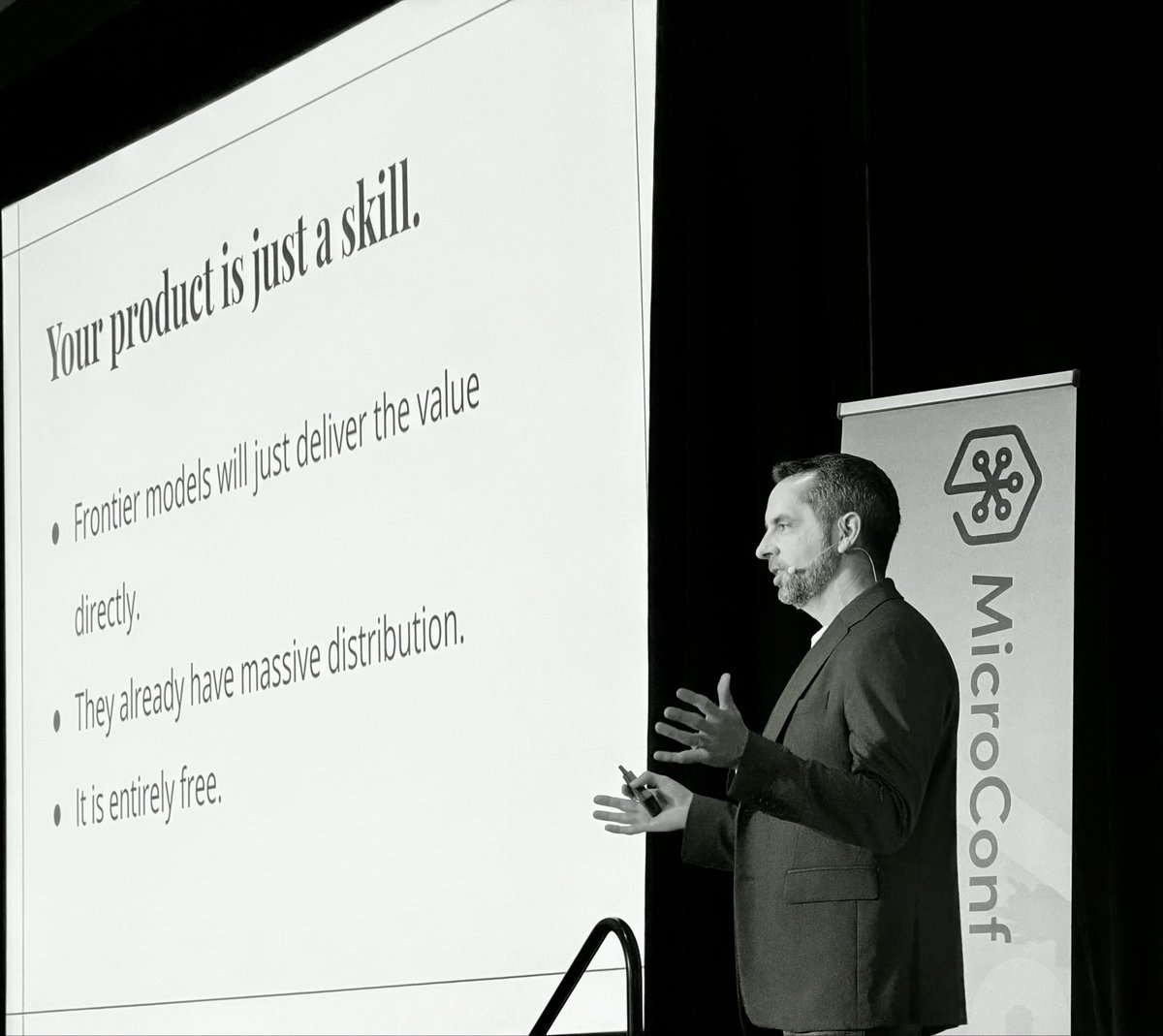
Your product is just a skill. Frontier models will just deliver the value directly because they have massive distribution and they're entirely free.
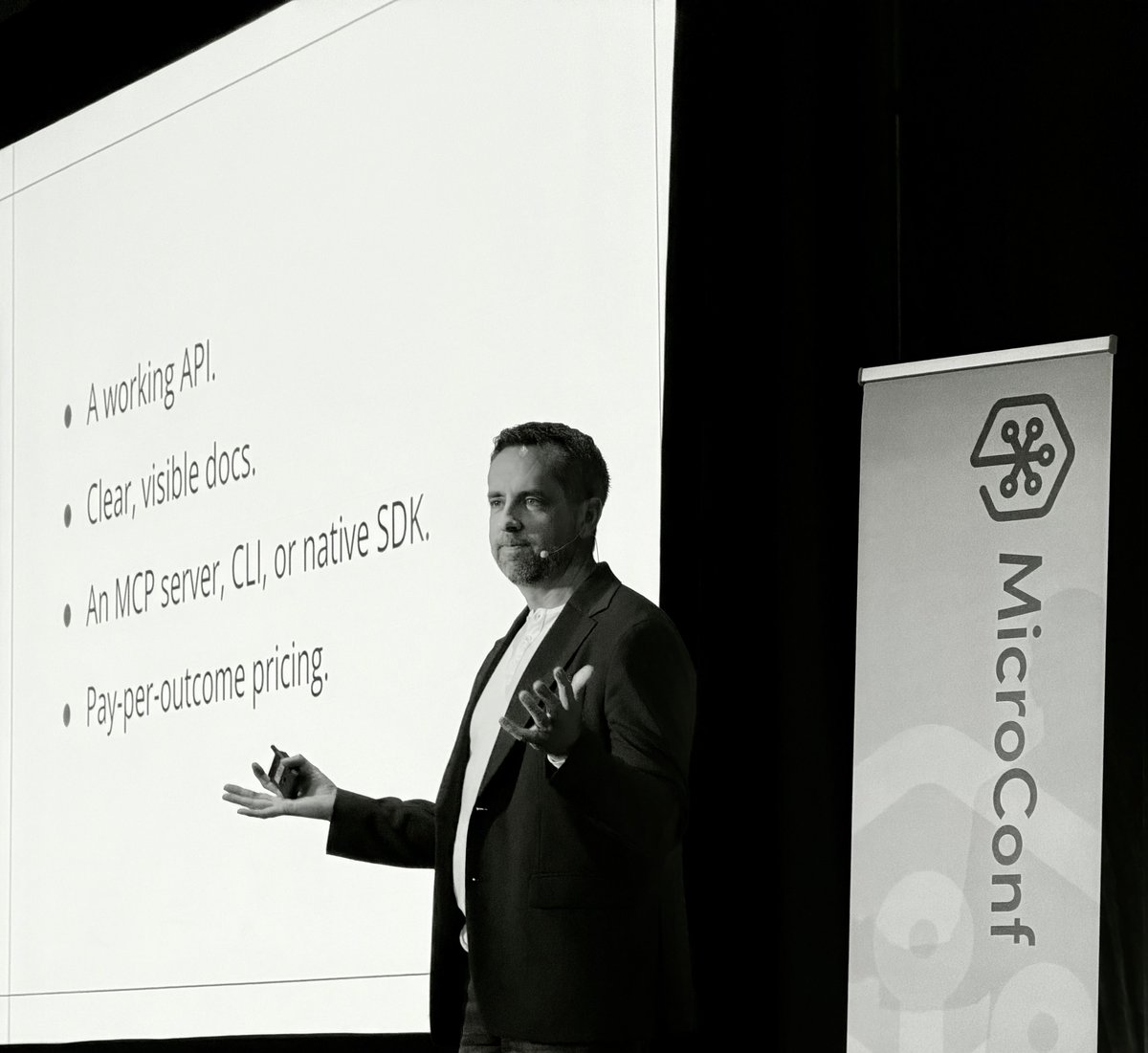
What does an AI agent want?
- A working API
- Clear, visible docs
- An MCP server, CLI, or native SDK
- Pay-per-outcome pricing
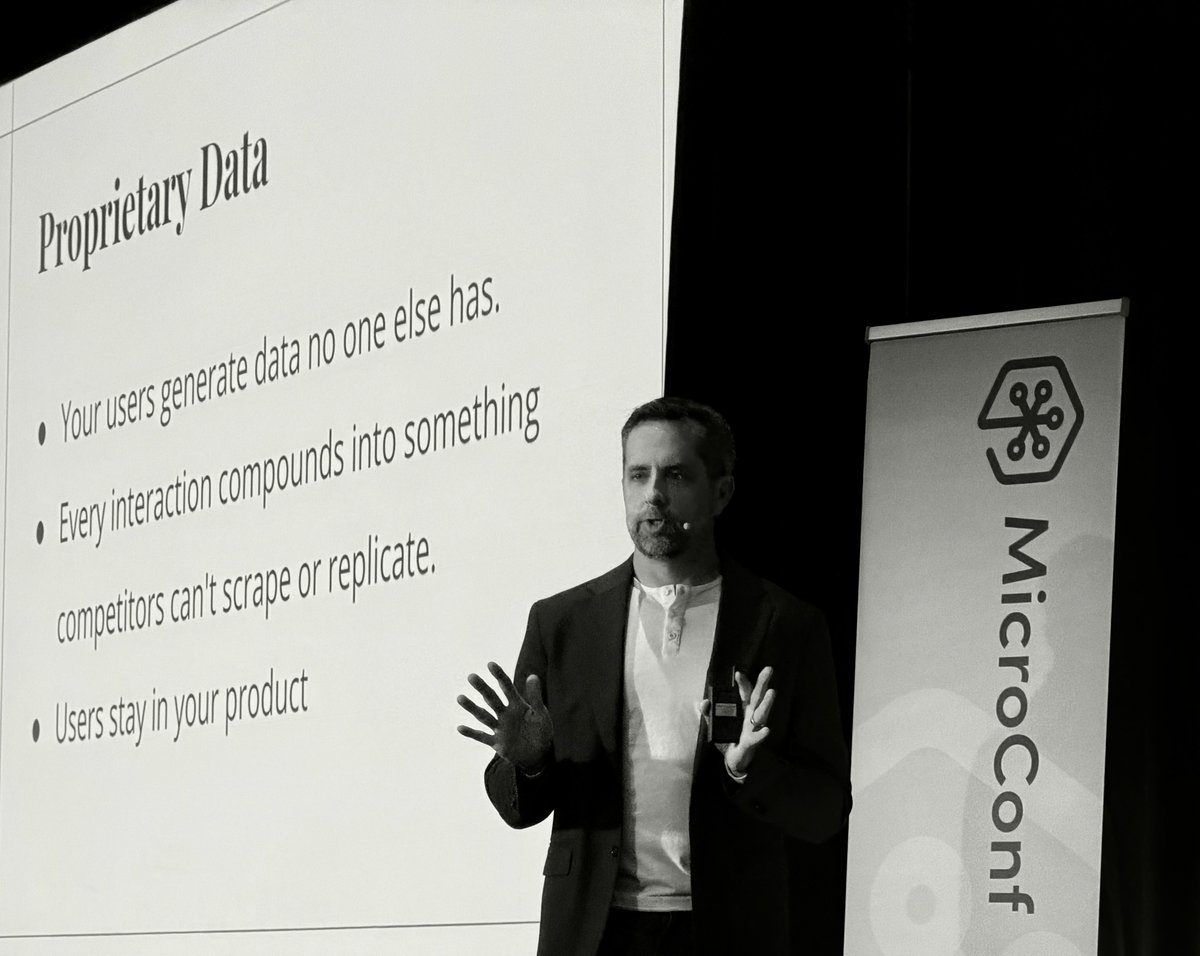
Proprietary data is an AI moat.
- Your users generate data no one else has
- Every interaction compounds into something competitors can't scrape or replicate
- Users stay in your product
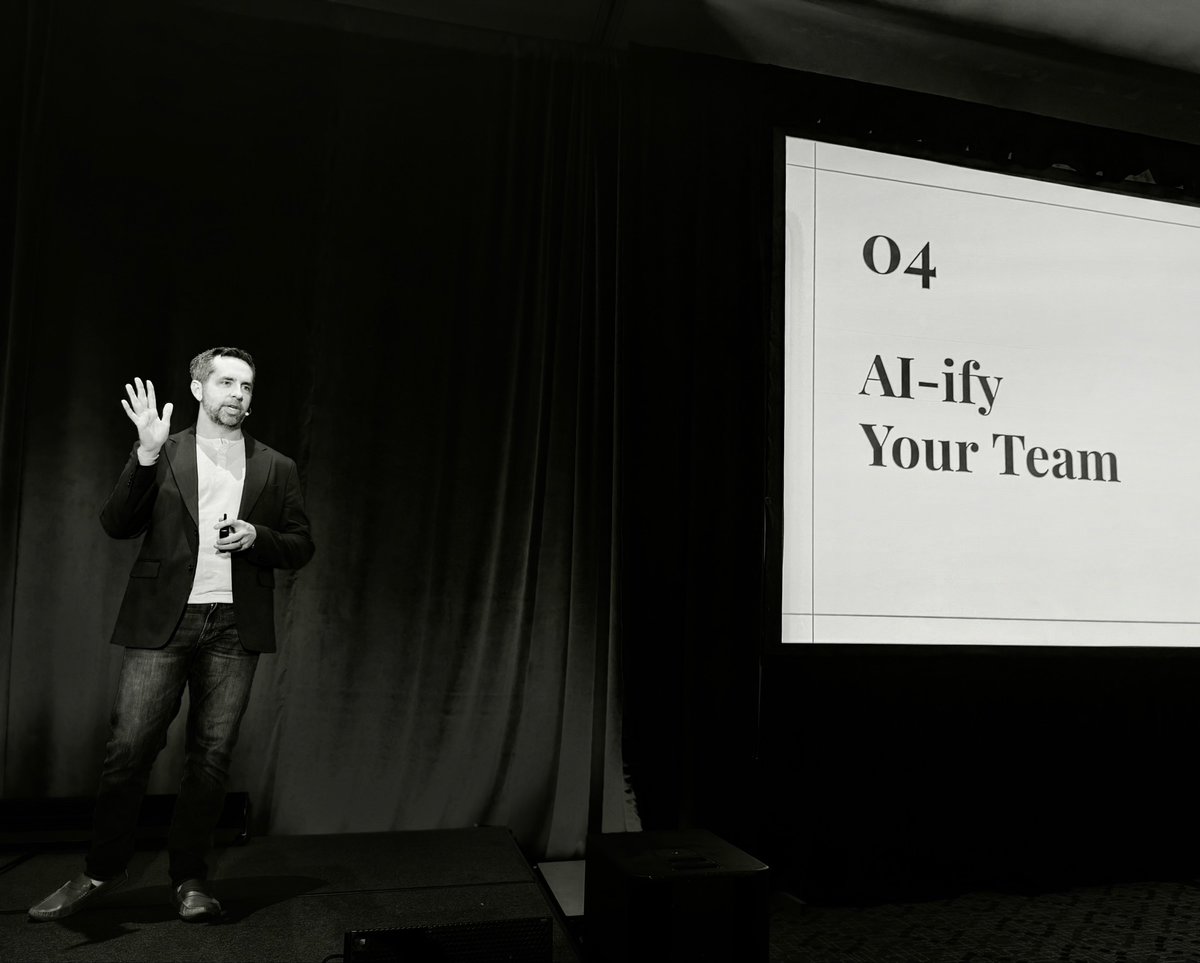
As CEO, you have to take the lead on AI. It has to start at the top.
AI adoption is a people problem.
One test to consider when dealing with a people problem: "Knowing what I know now, would I hire this person again?"
Someone who refuses to use AI has no place in my business.
Is agent-to-agent commerce a thing? I definitely think so.
AI Roundtable
I led a roundtable on Managing Cybernetic Organisms, where we discussed the challenges of integrating AI into your organization and inspiring broader AI adoption among your employees.